Solo Travel Morocco: Ultimate Safety, Itinerary & Transport Guide
Plan solo travel in Morocco with this detailed guide to safety, women traveling alone, Marrakech, Fes, Chefchaouen, Merzouga, trains, budget and itineraries.
Solo Travel Morocco: Why Morocco Is One of the Most Rewarding Countries to Explore Alone
Solo travel Morocco is an excellent choice for travelers who want culture, history, mountains, Atlantic beaches, ancient medinas and Sahara landscapes in one trip. Morocco is compact enough to connect several destinations in a single itinerary, yet diverse enough for every stop to feel completely different. A solo traveler can spend a morning wandering through a centuries-old medina, travel by train to another imperial city, join a guided food or cultural tour, and later continue toward the Atlas Mountains or the Sahara Desert.
Morocco is also a social destination. Riads, small hotels, cafés, group excursions and guided activities make it relatively easy to meet other travelers without giving up the freedom of traveling independently. That combination is one reason solo travel in Morocco works well for first-time solo travelers as well as experienced backpackers.
If you want a broader introduction before building your route, start with our Morocco Travel Guide — Culture, Geography & Best Destinations. Travelers who prefer a partially organized trip can also create a Customize Your Morocco Tour — Tailor-Made Desert Adventures itinerary while keeping free time for independent exploration.
Is Morocco Safe for Solo Travelers?
For most visitors, Morocco is a practical destination for solo travel when normal travel awareness is used. Major destinations such as Marrakech, Fès, Casablanca, Rabat, Essaouira, Tangier and Chefchaouen receive international visitors throughout the year and have established tourism infrastructure including hotels, riads, restaurants, licensed guides, trains, buses and organized excursions.
The everyday concerns for a solo traveler are usually the same issues found in many busy tourist destinations: protecting valuables in crowded areas, avoiding unofficial guides, clarifying taxi prices and staying aware of your surroundings at night. These precautions should help you travel confidently rather than make you afraid of visiting.
For official context, the current U.S. Department of State Morocco Travel Advisory places Morocco at Level 2, “Exercise Increased Caution,” because of terrorism risk. Level 2 is not a “Do Not Travel” classification. Because advisories can change, check your own government's latest guidance shortly before departure.
Simple Safety Habits for Solo Travel in Morocco
- Choose well-reviewed accommodation: A riad or hotel with recent reviews and a clear location makes arrival and evening returns easier.
- Save offline maps: Medina streets can be confusing, especially in Marrakech and Fès.
- Keep valuables secure: Use a closed bag and avoid displaying unnecessary cash in crowded markets.
- Use established transport: Official trains, reputable buses, registered taxis and pre-arranged transfers are easy options.
- Clarify prices: Agree on the price before optional services, informal guidance or some taxi journeys.
- Stay connected: Keep your phone charged and share major travel plans with a trusted person.
Is Morocco Safe for Solo Female Travelers?
Women travel independently through Morocco every year, staying in riads, taking trains between cities, joining day tours and visiting the desert. A solo female travel Morocco itinerary is absolutely possible, but women may occasionally receive unwanted comments, persistent sales attention or offers of help in busy tourist areas.
Choosing accommodation with strong reviews, arranging a transfer when arriving very late, walking on active streets after dark and joining a licensed guide for a first visit to a complex medina can make the experience more comfortable. Morocco is a Muslim-majority country, and relatively modest clothing can also make cultural interactions smoother in traditional neighborhoods and religious settings.
The key is preparation rather than fear. Solo female travelers do not need to avoid Morocco; they simply benefit from the same situational awareness used when visiting unfamiliar cities anywhere in the world.
Best Places for Solo Travel in Morocco
A strong Morocco travel guide for independent travelers should combine cities that are easy to navigate with destinations that offer organized experiences. The official Moroccan National Tourist Office highlights Marrakech, Fès, Chefchaouen, Essaouira, Casablanca and the Errachidia–Midelt–Merzouga region among the country's major destinations.
1. Marrakech — Culture, Riads, Food and Easy Day Trips
Marrakech is one of the easiest places to begin a solo trip because there are many accommodations, activities and other travelers. The UNESCO-listed Medina is filled with souks, historic monuments, traditional houses and Jemaa el-Fnaa. UNESCO describes Marrakech as a major historic political, economic and cultural center, with monuments such as the Koutoubia, Saadian Tombs, Bahia Palace and the famous square. You can read more on the UNESCO Medina of Marrakesh page.
First-time visitors who want context without worrying about navigation can book a Marrakech Tour Guide | Private Marrakech City Tours & Medina. Marrakech is also a useful base for waterfalls, mountain valleys, kasbahs and desert routes.
2. Fès — The Best City for Deep Cultural Immersion
Fès is ideal for solo travelers interested in Moroccan history, traditional crafts and architecture. The UNESCO Medina of Fez is one of the most extensive historic urban centers in the Arab-Muslim world and preserves a remarkable concentration of madrasas, fondouks, palaces, residences, mosques and fountains.
The medina is fascinating but complex, so a guided first day can make the experience far easier. Our Guided Tour Fes | Fes Medina, Souks & Al-Qarawiyyin helps travelers understand the city before exploring independently.
3. Chefchaouen — Relaxed Solo Travel in the Rif Mountains
Chefchaouen is famous for blue-painted streets and a compact medina set against the Rif Mountains. The Moroccan National Tourist Office describes the city as a distinctive mountain destination with an authentic medina and historic kasbah. Its smaller scale makes it especially attractive to travelers who want a slower break between larger cities.
Read additional background on Chefchaouen on Wikipedia, then allow time for unhurried walks, cafés and viewpoints instead of trying to fill every hour with scheduled activities.
4. Essaouira — Easygoing Atlantic Coast Experience
Essaouira is one of the most relaxed additions to a solo Morocco itinerary. Its medina is smaller than Marrakech or Fès, the Atlantic setting creates a slower rhythm, and cafés and seaside restaurants make it easy to spend time alone without feeling isolated. The old city is also UNESCO-listed.
For background on its history and geography, see Essaouira on Wikipedia. Solo travelers often combine the city with Marrakech for a mix of energetic medina life and coastal relaxation.
5. Merzouga and the Sahara — Best Experienced with an Organized Desert Tour
Merzouga is the gateway to the Erg Chebbi dunes and one of the highlights of many solo travel Morocco itineraries. Traveling independently to a desert town is possible, but the actual dune experience is more convenient when transport, camp accommodation and camel or 4x4 activities are arranged in advance.
Joining a small group or organized desert route also creates an easy social environment for solo travelers. Browse our Activities to Do in Morocco or request a personalized route if the Sahara is the main goal of your trip.
6. Casablanca and Rabat — Modern Morocco and Easy Rail Connections
Casablanca and Rabat show a different side of Morocco from the old medinas and desert routes. Casablanca is useful for international flights, architecture and the Hassan II Mosque area, while Rabat combines a calmer atmosphere with historic sites and a modern capital-city layout.
If Casablanca is part of your route, a Casablanca City Tour | Medina, Hassan II Mosque & Markets can help you see the main sights efficiently before continuing by train.
How to Get Around Morocco Alone
Transportation is one of the reasons independent travel in Morocco is manageable. According to the Moroccan National Tourist Office's official transport guide, travelers can move around by train, high-speed train, bus, taxi and rental car.
Train Travel in Morocco
ONCF trains connect many major cities. The Al Boraq high-speed line currently serves Tangier, Kenitra, Rabat and Casablanca, while conventional trains serve additional destinations such as Fès and Marrakech. For a solo traveler, trains are useful because stations are clearly defined, luggage stays with you and tickets can be planned in advance.
Do not assume the high-speed train directly reaches every tourist city: Marrakech and Fès currently rely on conventional rail connections rather than the Al Boraq high-speed section. This distinction is useful when planning realistic travel times.
Bus Travel
Long-distance buses are useful for places without direct rail service, including some mountain and coastal destinations. The Moroccan tourism office specifically mentions CTM and Supratours among intercity travel options. Booking ahead is sensible for popular routes, weekends and holidays.
Taxis and Local Transport
Within cities, taxis are convenient for train stations, bus terminals, hotels and attractions. Confirm the fare method before the journey when necessary and keep the destination saved on your phone. Casablanca and Rabat also have tram systems, while walking remains the best way to experience many medina areas.
A Practical 10-Day Solo Morocco Itinerary
For a first independent trip, avoid trying to see the entire country in a week. A balanced 10-day route gives you time to experience cities without spending every day in transit.
- Days 1–3: Marrakech — Explore Jemaa el-Fnaa, souks, gardens and historic monuments; use one day for a guided introduction or nearby excursion.
- Day 4: Travel toward Fès — Use the train or a planned transfer and allow the journey to be part of the experience.
- Days 5–6: Fès — Explore Fès el-Bali, traditional craft areas and historic architecture.
- Days 7–8: Chefchaouen — Slow down in the Rif Mountains and enjoy a smaller medina.
- Days 9–10: Rabat or Casablanca — Finish with an easy city stop connected to major rail and airport infrastructure.
If the Sahara is essential, add at least three or four more days rather than forcing Merzouga into a rushed 10-day itinerary. Travelers who want Marrakech, Ait Ben Haddou, the Dades Valley and Merzouga combined efficiently can use our custom Morocco tour planner.
Best Time for Solo Travel in Morocco
Spring and autumn are often the easiest seasons for a multi-region journey because temperatures are usually more comfortable for medina walking, mountain excursions and desert activities. March to May and September to November are therefore popular choices for travelers who want to combine cities and the Sahara.
Summer can work well for Atlantic destinations such as Essaouira and Agadir, while Marrakech and interior desert regions can become very hot. Winter is pleasant in many cities during the day, but nights can be cold in the mountains and desert. Pack according to the regions you will actually visit rather than treating Morocco as one climate zone.
Where Should Solo Travelers Stay?
Accommodation changes the solo travel experience significantly. A traditional riad is ideal if you want atmosphere and personal service, while a social hostel makes meeting other travelers easier. Modern hotels can be convenient near train stations, airports or business districts.
For a first visit to Marrakech or Fès, prioritize location and recent reviews over finding the absolute cheapest room. A property close to a recognizable landmark can make returning at night much easier than a cheaper option hidden deep inside unfamiliar alleys.
How to Meet People While Traveling Solo in Morocco
Solo does not have to mean alone. Group cooking classes, walking tours, desert excursions, shared hostel spaces and day trips create natural opportunities to meet other travelers. Joining one structured activity early in the trip can also help you become more confident before exploring independently.
Browse Activities to Do in Morocco for ideas ranging from guided city experiences to adventure activities. Keep enough unscheduled time as well; conversations in riads, cafés and shared transport often become memorable parts of a solo trip.
Backpacking Morocco: Budget and Money Tips
Backpacking Morocco can be adapted to different budgets. Hostels and simple riads reduce accommodation costs, local cafés can be inexpensive, and trains or intercity buses allow travelers to move without private transport. At the same time, paying a little more for a well-located riad, licensed guide or organized desert transfer can improve convenience substantially.
- Carry some Moroccan dirhams for small purchases and markets.
- Use established bank ATMs when possible.
- Keep one backup payment method separate from your main wallet.
- Confirm accommodation taxes or extra fees before checkout.
- Do not build an itinerary so tight that a delayed bus or train ruins the next booking.
Moroccan Culture and Etiquette for Solo Travelers
Understanding local customs makes solo travel easier. Morocco is a Muslim-majority country with strong traditions of hospitality and family life. Greetings are important, patience is appreciated, and asking permission before photographing people is respectful. In markets, bargaining can be normal, but it should remain friendly.
French is widely useful in tourism and transport, while Moroccan Arabic (Darija) is spoken throughout the country and Amazigh languages are important in many regions. Even a few words such as salam (hello) and shukran (thank you) can make interactions warmer.
What to Pack for a Solo Morocco Trip
- Comfortable walking shoes for medinas and uneven streets.
- Light layers that work for changing temperatures.
- A warmer layer for desert or mountain nights.
- A secure cross-body bag or daypack.
- Sun protection, sunglasses and reusable water bottle.
- Portable phone charger and offline maps.
- Copies of important travel documents.
- Any personal medication you regularly need.
Should You Travel Morocco Completely Independently or Book a Tour?
You do not need to choose only one style. Morocco works especially well as a hybrid trip: travel independently between major cities, then book guided experiences where local knowledge or transport adds real value. For example, you can explore Gueliz alone, use a guide for the Marrakech Medina, take the train independently to Fès, and join an organized desert trip for Merzouga.
This approach preserves the freedom people want from solo travel Morocco while reducing logistical stress on more complicated sections. If you want help combining independent days with private transfers or desert experiences, use our Contact Marrakech Package | Plan Your Morocco Tour Today page.
Final Verdict: Is Solo Travel in Morocco Worth It?
Absolutely. Morocco offers a rare combination of accessible transportation, strong tourism infrastructure, historic cities, mountain scenery, Atlantic coastlines and Sahara experiences. Solo travelers can build a route that is social when they want company and independent when they want freedom.
The best strategy is simple: travel at a realistic pace, choose accommodation carefully, use established transport, learn a little about local culture and book guides where they genuinely improve the experience. With those habits, solo travel in Morocco can be one of the most memorable ways to discover the country.
FAQ
Morocco is a practical destination for most solo travelers using normal travel precautions. Choose well-reviewed accommodation, protect valuables in crowded areas, use established transport and check current official travel advice before departure.
Many women travel independently through Morocco. Well-reviewed accommodation, reliable transport for late arrivals, busy streets after dark and licensed guides for complex medinas can make the experience more comfortable.
Marrakech, Fes, Chefchaouen, Essaouira, Rabat, Casablanca and Merzouga all work well in different ways. Marrakech and Fes offer culture, Chefchaouen and Essaouira are more relaxed, and Merzouga is ideal for an organized Sahara experience.
Major cities can be connected by ONCF trains, intercity buses and taxis. Al Boraq high-speed trains currently serve Tangier, Kenitra, Rabat and Casablanca, while conventional trains serve other destinations such as Marrakech and Fes.
Spring from March to May and autumn from September to November are often the most comfortable periods for a route combining cities, mountains and the Sahara.
Around 10 days works for several major cities, while 13 to 14 days is better if you also want a Sahara desert route without rushing.
Morocco can suit a moderate backpacking budget with hostels, simple riads, local cafés, trains and buses. Spending more on location, guides or desert transfers can improve convenience.
A hybrid approach works well: travel independently between major cities, then book guides or organized experiences for complex medinas, mountain excursions or Sahara routes.
Tours Marrakech Desert
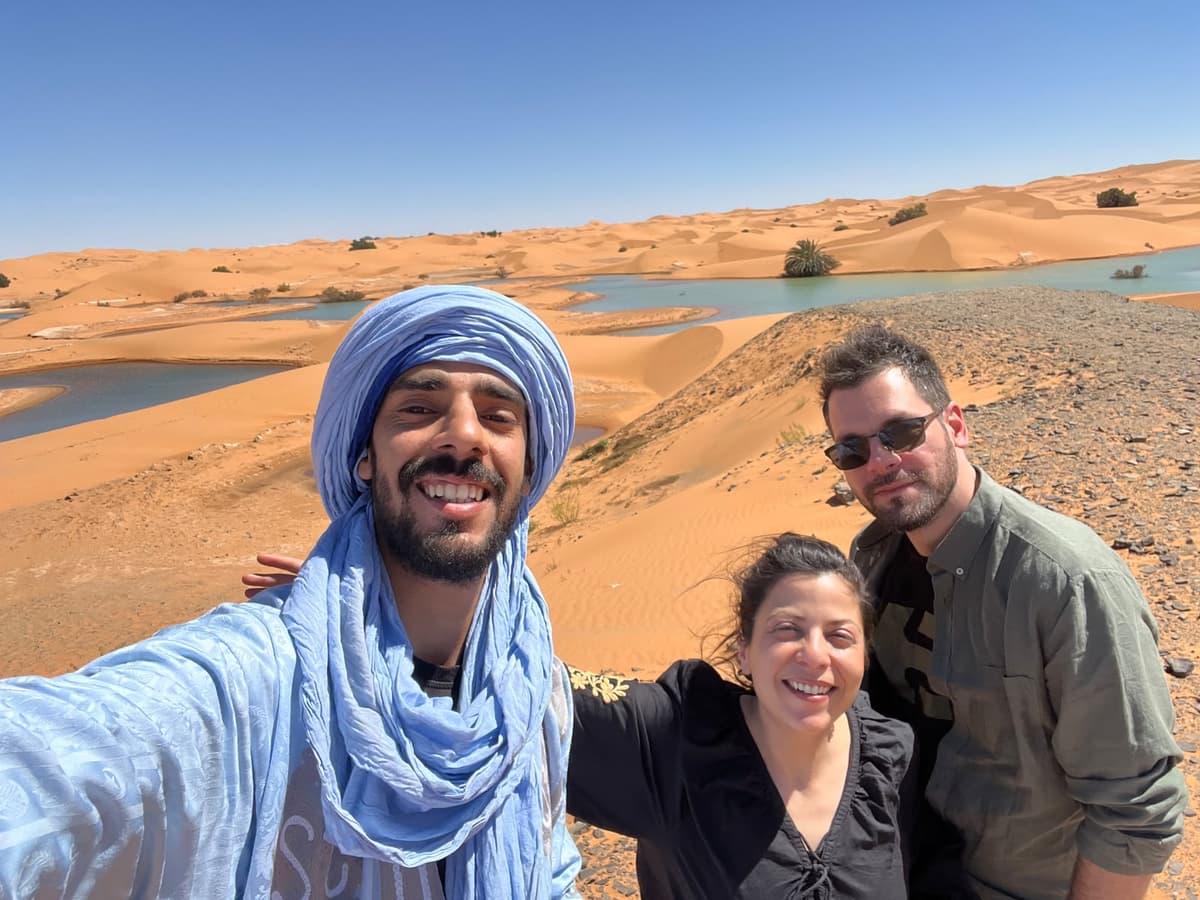 5 days / 4 nights
5 Days Tour from Marrakech to Merzouga
Travel from Marrakech to Merzouga over five days through the High Atlas, Ait Ben Haddou, Draa Valley and Erg Chebbi, with camel ride, luxury desert camp, Merzouga exploration, Todra and Dades.
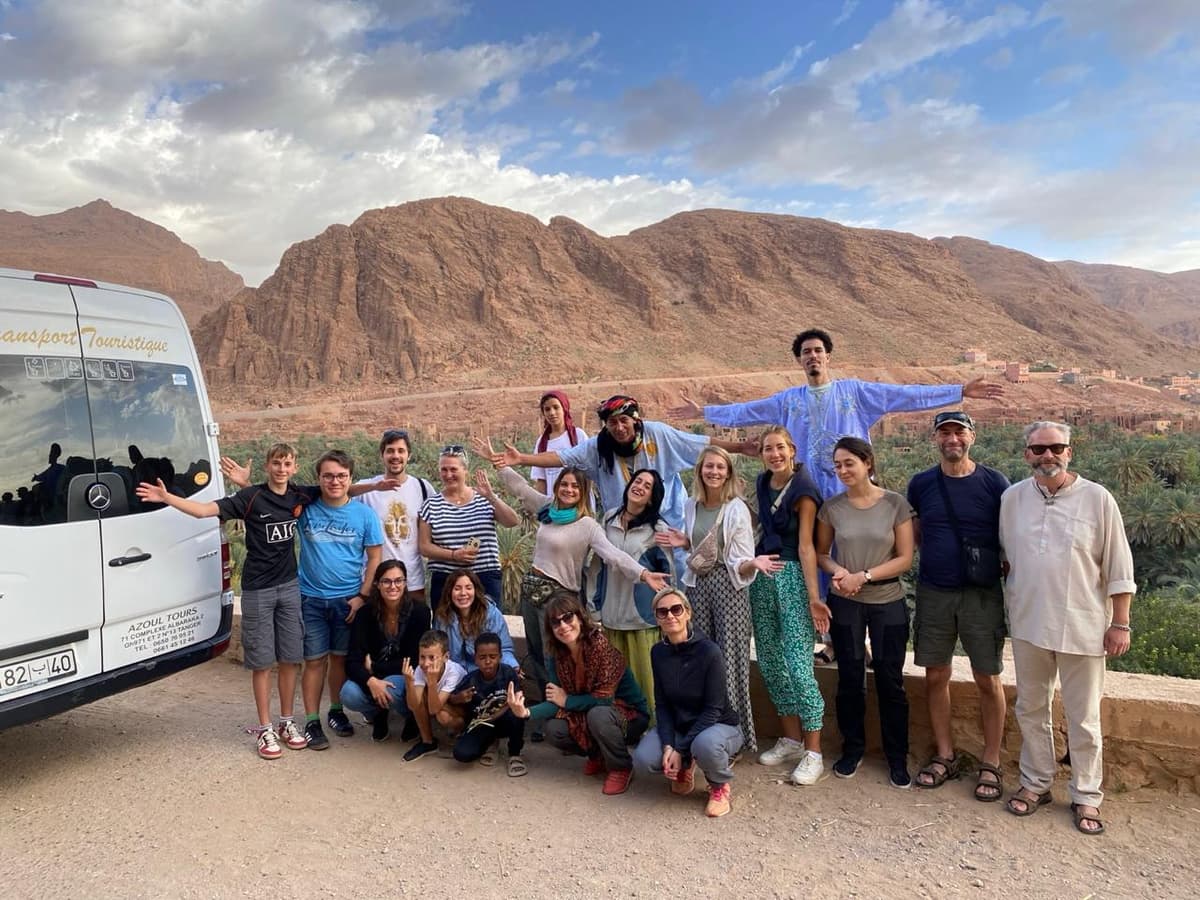 7 days / 6 nights
Morocco 7 Day Itinerary – 7 Days Desert Tour from Marrakech
Spend seven days traveling from Marrakech through the High Atlas, Dades, Todra and Merzouga before exploring remote Sahara villages, the Draa Valley and Ouarzazate.
 6 days / 5 nights
Morocco Atlas Mountains Desert Merzouga 6 Day Itinerary
Travel from Marrakech through the High Atlas, Ait Ben Haddou, Dades and Merzouga in six days, with camel trek, luxury desert camp, Middle Atlas and a guided Fes Medina visit.
Free travel advice
Have a question about one of our tours?
Ask us about the itinerary, accommodation, transport, desert camps, prices or possible changes. We'll help you understand your options before you book — completely free and with no obligation.