
What Is a Riad in Morocco? Design, History & Accommodation Guide
Learn what a Moroccan riad is, its courtyard design, zellige and interiors, plus how to choose riads in Marrakech, Fes and Casablanca.
Travel Insights by Tours Marrakech Desert
If you are planning a trip to Morocco, you will see the word riad everywhere: riad hotel, luxury riad, boutique riad, riad in Marrakech Medina and traditional riad in Fes. But what is a riad in Morocco exactly?
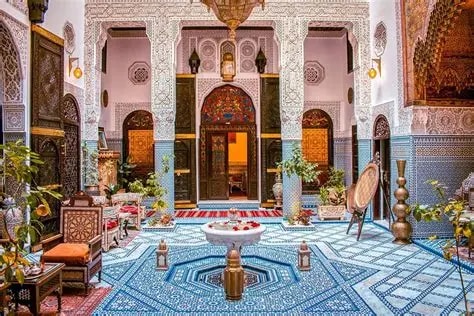
A traditional riad is a Moroccan house built around an interior courtyard or garden. The Moroccan National Tourist Office explains that the word riad means “garden” in Arabic and describes the classic form as a large family house with several rooms opening onto a patio, often with a fountain and planted garden. Read the official Visit Morocco explanation of a riad.
For travelers, a riad is not only accommodation. It is one of the best ways to experience Moroccan interior design, traditional craftsmanship and the spatial logic of the old Medinas from the inside.
If you are building a private trip around Marrakech, Fes and the Sahara, you can combine carefully selected riad stays with our Customize Your Morocco Tour service. You can also browse our Morocco tours, activities and day trips.
What Does “Riad” Mean?
The word riad is associated with the Arabic word for garden. Traditionally, the garden or courtyard is the organizing heart of the house.
Unlike many Western houses, which present windows and façades outward toward the street, a classic Moroccan riad is more inward-looking. Rooms open toward the central patio, creating privacy and separating family life from the busy street outside.
This inward-facing arrangement is one reason a riad can feel surprisingly peaceful even when it is located deep inside a busy Medina.
Riad vs Dar: Is There a Difference?
In Morocco, the words riad and dar are sometimes used loosely in tourism. Traditionally, a riad is associated with a central garden, while dar simply means house.
In practice, many guesthouses marketed as riads are renovated courtyard houses, and the distinction is not always strict in modern hospitality branding. The architectural idea is more important than the label: an inward-facing traditional house organized around a central open space.
The Architecture of a Traditional Moroccan Riad
Moroccan riad design is based on privacy, climate and family life. The central courtyard allows light and air into the house without exposing the interior directly to the street.
Typical features include:
- a central patio or garden;
- a fountain or small pool;
- rooms opening toward the courtyard;
- zellige tilework;
- carved plaster;
- cedar or painted wood;
- arches and decorative columns;
- plants such as citrus trees, palms or jasmine;
- a rooftop terrace.
The Moroccan National Tourist Office specifically highlights zellige as a major element of Moroccan architecture and notes that these intricate tiles commonly line walls and floors in riads. It also points to carved plaster as another characteristic decorative feature. See its guide to Moroccan craftsmanship.
Why Are Riads Built Around a Courtyard?
The courtyard is practical as well as beautiful. It creates a private open-air space, brings daylight into surrounding rooms and helps air circulate through the building.
The design also reflects the urban structure of historic Islamic cities, where houses often protect family privacy by limiting direct openings toward the street.
UNESCO describes traditional courtyard-house forms elsewhere in North Africa as introverted buildings with rooms looking toward a central open space for privacy and comfort. Moroccan riads follow the same broad architectural logic, adapted to local materials and decoration.
Moroccan Traditional Houses Beyond the Riad
The phrase Morocco traditional houses covers more than riads. Architecture changes significantly by region.
- Medina riads and dars: common in historic cities such as Marrakech and Fes.
- Kasbahs: fortified residences and defensive buildings, especially associated with southern Morocco.
- Ksour: fortified villages containing multiple homes and communal spaces.
- Adobe and earthen houses: common in southern valleys and pre-Saharan areas.
- Mountain houses: adapted to local climate, stone and regional construction traditions.
For a deeper look at southern architecture, read our guide to Ait Ben Haddou and Moroccan kasbah architecture once that blog is published on your site.
Moroccan Interior Design: What Makes It Distinctive?
Moroccan interior design is often recognized by rich materials rather than by one single color palette. A traditional riad may combine handmade tile, carved plaster, wood, metal, textiles and soft lighting.
Zellige creates geometric rhythm. Tadelakt gives walls a smooth mineral finish. Cedar doors and ceilings add warmth. Brass or pierced-metal lamps create patterned light. Rugs, cushions and woven fabrics soften stone and tile surfaces.
The result is layered rather than minimal: architecture and craftsmanship work together instead of relying only on furniture.
Modern Moroccan Interior Design
Modern Moroccan interior design does not mean abandoning tradition. Many contemporary riads simplify the palette while retaining the core architectural language.
A modern riad may use neutral plaster walls, fewer colors and contemporary furniture, but still include zellige, arches, carved wood, tadelakt and handmade lighting.
This combination is especially popular in luxury boutique accommodation because it preserves a sense of place without making every room feel heavily decorated.
What Is It Like to Stay in a Moroccan Riad?
Staying in a riad is usually a more intimate experience than staying in a large hotel. Most properties have fewer rooms, so breakfast, reception and service often feel more personal.
You may eat breakfast in the courtyard, relax on a rooftop terrace in the evening and walk directly into Medina lanes when you leave the front door.
However, riads also come with practical differences: many historic buildings have stairs, limited elevator access, narrow lanes nearby and smaller rooms than modern hotels.
Riad vs Hotel in Morocco
| Riad | Hotel |
|---|---|
| Historic or traditional courtyard house | Purpose-built hospitality property |
| Usually fewer rooms | Often more rooms and facilities |
| Strong sense of local architecture | More standardized comfort |
| Often inside a Medina | Often easier vehicle access |
| May have stairs and narrow access | More likely to have elevators and parking |
| More intimate atmosphere | Often better for large groups and full-service amenities |
For many travelers, the best Morocco accommodation strategy is to combine both: a riad in Marrakech or Fes, a comfortable hotel in a modern city and a luxury desert camp during a Sahara route.
Riads in Marrakech
Riads in Marrakech are among the most popular forms of accommodation in Morocco. The historic Medina, a UNESCO World Heritage Site, contains traditional houses, souks, fondouks and residential lanes that still form a living historic city. UNESCO describes Marrakech's ancient housing as part of this remarkable urban fabric. Read the UNESCO Medina of Marrakesh page.
For first-time visitors, staying inside the Medina can be rewarding because you are close to souks, palaces, restaurants and Jemaa el-Fnaa.
If you want help understanding the Medina before exploring alone, book our private Marrakech tour guide.
Riad in Marrakech Medina: Best Area or Too Busy?
A riad in Marrakech Medina gives you the most atmospheric location, but it is not ideal for every traveler.
Choose the Medina if you want to walk to historic sites and experience old Marrakech from morning to night. Choose Gueliz or another modern district if you prioritize direct taxi access, elevators, large hotel pools or easier parking.
Before booking a riad, check exactly how far a car can reach. Some properties require several minutes of walking through pedestrian lanes.
Best Riads in Marrakech Morocco: What Should You Look For?
Rather than searching for one universal best riad in Marrakech Morocco, evaluate the property according to your own trip.
- Location: close to the attractions you actually plan to visit.
- Access: distance from taxi or vehicle drop-off.
- Room layout: some historic rooms can be compact or dark.
- Pool: many “pools” are small courtyard plunge pools rather than swimming pools.
- Rooftop: valuable for breakfast, sunset and relaxation.
- Noise: check reviews for courtyard noise and nearby streets.
- Heating and air conditioning: important depending on season.
- Airport transfer: useful when arriving late.
If you want a luxury-style itinerary with accommodation selected around your standards, use our private Morocco tour customization.
Best Riad in Fes: Why Fes Is Different
Fes is one of the best cities for travelers who want a deep traditional accommodation experience. UNESCO describes the Medina of Fes as one of the most extensive and best-preserved historic towns of the Arab-Muslim world, with architectural traditions shaped over more than ten centuries. citeturn867201search10
A historic riad or dar in Fes can feel more architectural and residential than a resort stay. Courtyards, carved wood, plaster and zellige often play a major role in the experience.
Because the Medina is complex, staying in a property with reliable pickup instructions is especially useful. For your first day, consider our guided tour of Fes.
Riads in Casablanca
Riads in Casablanca exist, but the city is not as strongly associated with riad accommodation as Marrakech or Fes. Casablanca's hospitality scene is more modern and hotel-oriented.
If your priority is a classic courtyard-house experience, Marrakech and Fes generally offer more choice. If your priority is business-class facilities, oceanfront hotels, elevators and modern urban access, Casablanca may suit a conventional hotel better.
To explore the city efficiently, see our Casablanca city tour.
Morocco Accommodation: Riad, Hotel, Kasbah or Desert Camp?
Morocco accommodation is one of the most interesting parts of planning a trip because each region offers a different experience.
- Marrakech/Fes: riad or boutique dar for Medina atmosphere.
- Casablanca/Rabat: modern hotel for convenience and transport access.
- Dades/Ouarzazate: kasbah-style hotel or valley guesthouse.
- Merzouga: desert camp combined with hotel or lodge.
- Essaouira: riad in the Medina or coastal hotel.
Our 3 Day Marrakech to Merzouga Desert Tour and Marrakech to Fes desert tour show how a trip can move from city accommodation into southern valleys and Sahara lodging.
Are Riads Luxury Accommodation?
Some are, some are not. The word riad describes an architectural idea, not a hotel category.
You can find simple guesthouses, mid-range boutique riads and extremely luxurious properties with private suites, spas, fine dining and highly personalized service.
Do not assume that every riad is luxury or that every luxury property is historically authentic. Check the building, services and reviews separately.
Are Riads Safe?
Established riads in major tourism cities are a normal form of accommodation. As with any hotel, read recent reviews, confirm the exact address and use secure booking channels.
Inside dense Medinas, the main practical challenge can be finding the entrance after dark. Save the location offline and arrange a transfer or staff meeting point for your first arrival.
For Marrakech-specific advice, read our Marrakech safety guide.
Do Riads Have Air Conditioning?
Many renovated riads have air conditioning, but historic architecture means systems vary. Never assume every room has the same heating or cooling setup.
In winter, ask about heating as well. Thick traditional walls can moderate temperature, but Marrakech and Fes nights can still feel cold.
Do Riads Have Pools?
Some riads have pools, but the word “pool” can mean anything from a small decorative plunge pool to a proper swimming pool.
Courtyard dimensions are limited in historic houses, so travelers who want a large swimming pool may prefer a resort-style hotel outside the Medina.
Are Riads Good for Families?
They can be excellent for families, especially when several rooms are booked together. However, check stairs, railings, open courtyards and pool safety when traveling with young children.
A larger hotel may be easier if elevators, connecting rooms and extensive facilities are priorities.
How to Choose a Riad for a Luxury Morocco Tour
For a premium itinerary, focus on experience rather than star labels alone. A strong riad should combine atmosphere, service, comfort and location.
- choose the Medina location carefully;
- check how luggage reaches the property;
- read recent room-specific reviews;
- confirm breakfast and dinner options;
- ask about private transfers;
- check rooftop and courtyard quality;
- confirm heating, cooling and Wi-Fi;
- choose a room category that actually fits your luggage and travel style.
Our custom Morocco tour can be built around premium riads, private drivers, desert camps and guided experiences rather than choosing accommodation independently in every city.
Riad Etiquette
Riads are intimate spaces. Sound travels easily across open courtyards, so late-night noise can disturb other guests.
Treat staff and the building with the same respect you would give a private home. Ask before photographing employees or private areas and follow house rules for rooftop access, pools and dining.
Final Answer: What Is a Riad in Morocco?
A Moroccan riad is a traditional inward-facing house organized around a central courtyard or garden. Its architecture combines privacy, climate adaptation and craftsmanship through zellige, carved plaster, wood, water and greenery.
Today, many riads have become boutique guesthouses and luxury accommodation, especially in Marrakech and Fes. Staying in one can be one of the most memorable ways to experience Moroccan architecture from the inside.
For a trip that combines riads, private city guides, desert camps and comfortable transport, explore our Morocco tours or create a private tailor-made Morocco itinerary.
FAQ
A riad is a traditional Moroccan house organized around an interior courtyard or garden. The Moroccan National Tourist Office explains that the word riad means garden in Arabic and that classic riads have rooms opening onto a central patio, often with a fountain, plants and decorative craftsmanship.
A riad is traditionally a converted private house with an inward-facing courtyard and a small number of rooms, while a hotel is purpose-built accommodation with a more conventional layout and usually more facilities. Today some properties use the word riad as a hospitality label even when the building is heavily renovated.
Yes, especially if you want to experience the Medina from inside its historic urban fabric. A riad can offer more atmosphere, privacy and traditional design than a standard hotel, although access can involve narrow lanes and stairs.
Typical elements include a central courtyard, inward-facing rooms, zellige tilework, carved plaster, cedar wood, arches, fountains, greenery and often a rooftop terrace. The design prioritizes privacy, shade, airflow and calm away from the street.
Yes, but Casablanca has fewer classic Medina riads than Marrakech or Fes because its tourism and hotel landscape is more modern. Travelers looking for a traditional courtyard-house experience generally find more options in Marrakech and Fes.
There is no single best riad for everyone. Choose based on Medina location, room size, stairs, rooftop access, pool or courtyard preference, breakfast, airport transfer, review quality and whether you want a historic property or a modern Moroccan interior.
Tours Marrakech Desert
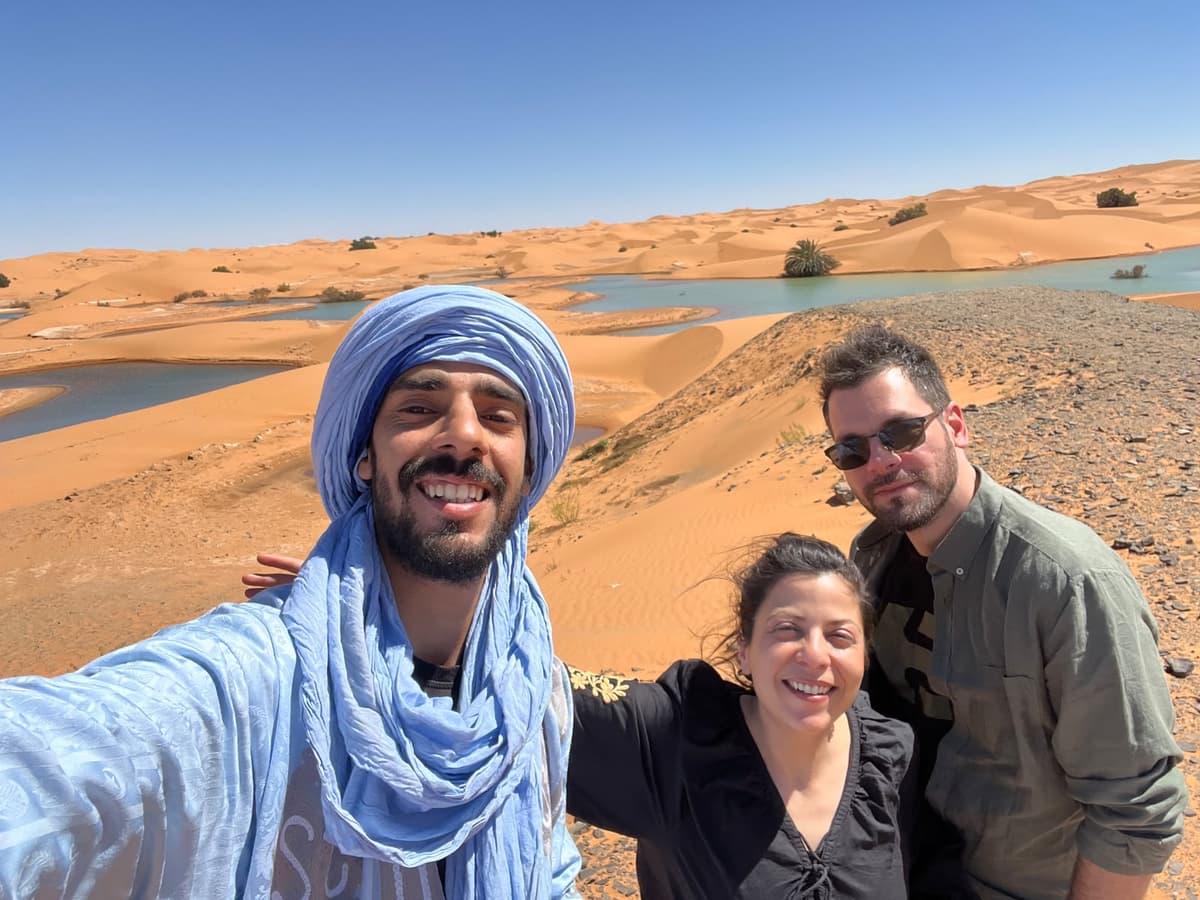 5 days / 4 nights
5 Days Tour from Marrakech to Merzouga
Travel from Marrakech to Merzouga over five days through the High Atlas, Ait Ben Haddou, Draa Valley and Erg Chebbi, with camel ride, luxury desert camp, Merzouga exploration, Todra and Dades.
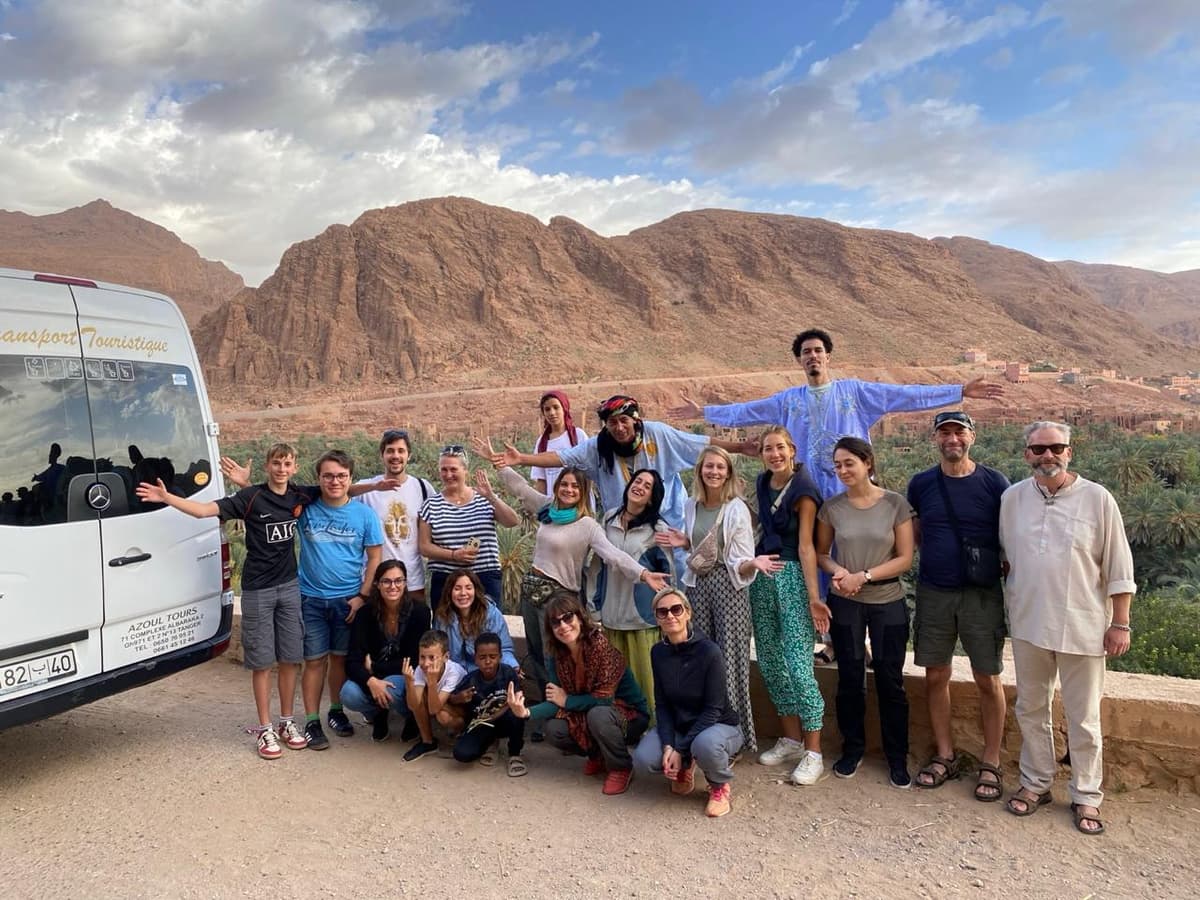 7 days / 6 nights
Morocco 7 Day Itinerary – 7 Days Desert Tour from Marrakech
Spend seven days traveling from Marrakech through the High Atlas, Dades, Todra and Merzouga before exploring remote Sahara villages, the Draa Valley and Ouarzazate.
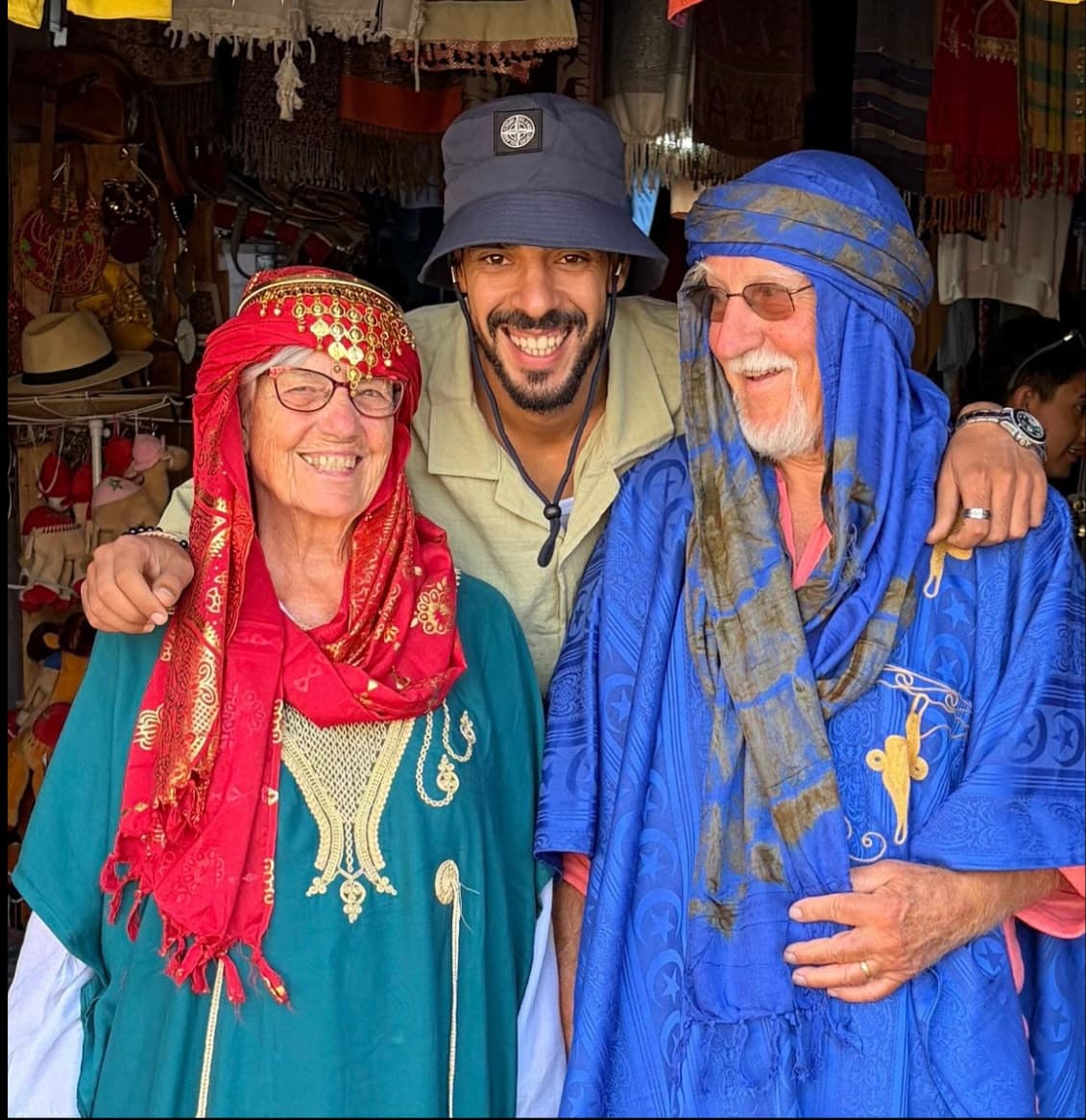 6 days / 5 nights
Morocco Atlas Mountains Desert Merzouga 6 Day Itinerary
Travel from Marrakech through the High Atlas, Ait Ben Haddou, Dades and Merzouga in six days, with camel trek, luxury desert camp, Middle Atlas and a guided Fes Medina visit.
Free travel advice
Have a question about one of our tours?
Ask us about the itinerary, accommodation, transport, desert camps, prices or possible changes. We'll help you understand your options before you book — completely free and with no obligation.