
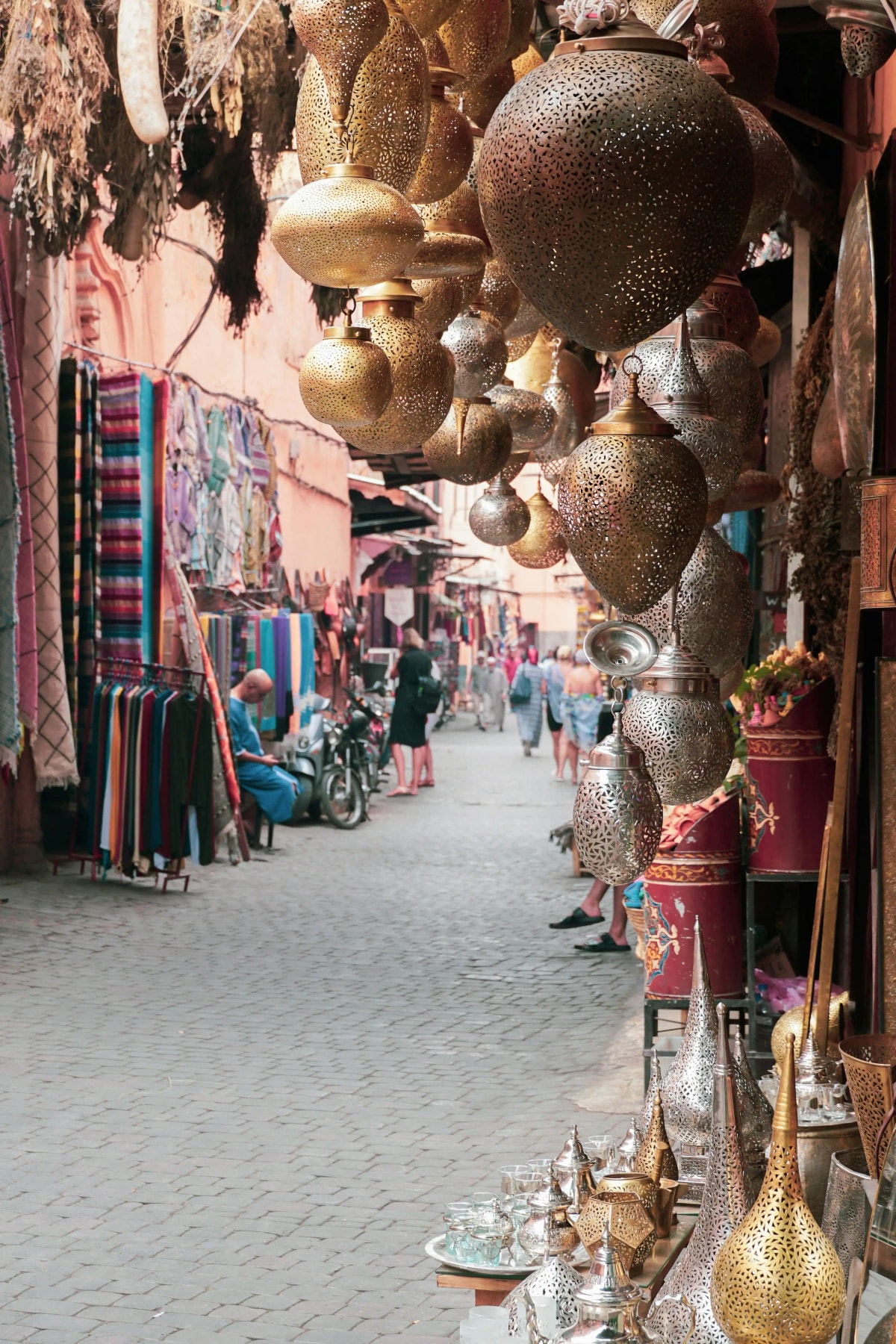
Best Souks in Marrakech: Complete Shopping Guide
Explore the best souks in Marrakech: Semmarine, carpets, leather, spices, metalwork and crafts. Learn what to buy, where to shop, bargaining and opening tips.
Travel Insights by Tours Marrakech Desert
The souks of Marrakech are one of the city's most memorable experiences. They are not simply souvenir markets: they are a network of workshops, stalls and commercial lanes where Moroccan crafts, food, clothing and everyday trade still meet inside the historic Medina.
For travelers researching shopping in Marrakech, the real challenge is knowing where to go and what each area is best for. This guide explains the main souks, what to buy, how bargaining works, when to visit and how to combine market time with other things to do in Marrakech.
The Moroccan National Tourist Office specifically highlights Souk Semmarine, Souk Attarine, leather workers, dyers and the contrast between Medina craft shopping and modern retail in Gueliz. See the official Shopping in Marrakech guide.
If this is your first day in the old city, our private Marrakech tour guide can help you understand the Medina before returning to shop at your own pace. You can also browse our Morocco activities or use Customize Your Morocco Tour.
Why the Marrakech Souks Are So Special
Historically, different crafts were grouped by trade. Although modern shopping has mixed some categories, the old structure is still visible. Official tourism material lists Cherratine for fine leather goods, Zrabi for carpets, Fekharine for pottery, Sebbaghine for dyers and Seffarine for copperware.
This is why walking through the souk Medina Marrakech can feel like moving between different craft worlds. One lane is filled with leather, another with hanging textiles, another with metal lamps and another with rugs.
Moroccan craftsmanship also continues to evolve. Contemporary designers reinterpret leather, metal, ceramics and textiles in more modern styles while keeping traditional techniques.
1. Souk Semmarine — Best First Stop
Souk Semmarine is one of the main commercial axes of the Medina and a very good introduction for first-time visitors. The tourism office describes it as one of Morocco's most interesting markets and highlights its mix of Amazigh and Arab craftsmanship.
You will find lamps, ceramics, textiles, baskets, clothing, leather and decorative objects. Because the range is broad, it is an ideal place to compare prices and quality before buying.
2. Souk Zrabi — Best for Moroccan Rugs
For travelers interested in handicraft Morocco, rugs are among the most iconic purchases. Souk Zrabi is traditionally associated with carpets and is a good area to compare weaving styles, wool, colors and patterns.
Rug prices vary enormously. Material, age, origin and workmanship matter more than a dramatic sales story. If the purchase is expensive, ask where the rug was made and compare several pieces before negotiating.
3. Souk Cherratine — Leather Goods
Cherratine is traditionally associated with leather. Bags, belts, wallets, poufs and babouches are common.
Check stitching, zippers, lining and leather thickness. A beautiful color does not compensate for poor construction. Handmade sizing also varies, so try slippers carefully before buying.
4. Souk Sebbaghine — The Dyers' Area
Sebbaghine is linked to dyers and textiles. Hanging yarns and fabrics create some of the most colorful scenes in the souks of Marrakech.
It is also a reminder that the Medina is a working commercial environment, not a staged photo set. Ask before photographing craftspeople closely.
5. Attarine and Seffarine — Brass, Copper and Metalwork
Morocco's tourism office highlights Souk Attarine for brass and copper, while Seffarine is traditionally connected to copperware.
Look for trays, lanterns, mirrors, bowls, teapots and decorative metal pieces. Compare weight, pattern detail and finishing. For large lamps, ask carefully about packing and shipping before paying.
6. Rahba Kedima — Spices, Baskets and Small Crafts
Rahba Kedima is one of the most atmospheric market areas in the Medina. It is a practical place for spices, woven baskets and smaller decorative objects.
With spices, buy products you recognize and ask what is inside mixed powders. Smaller items from this area are easier to pack than heavy metalwork or rugs.
7. Fekharine — Pottery and Ceramics
Fekharine is traditionally linked with pottery. Marrakech markets bring together ceramics inspired by different Moroccan regions.
Check for chips, hairline cracks and glaze quality. Fragile pieces can be excellent souvenirs, but good packaging matters.
8. Jewellery and Amazigh-Inspired Designs
Marrakech has many jewellery shops selling both traditional-inspired and contemporary pieces. The Moroccan tourism office notes that jewellery stores are found throughout the Medina near Jemaa el-Fnaa.
If you are buying something valuable, ask exactly what the metal is. Silver-colored metal is not automatically sterling silver.
9. Babouches, Djellabas and Textiles
Leather slippers, scarves, djellabas, caftans and textiles appear throughout the markets. Quality ranges from inexpensive tourist products to carefully finished handmade garments.
Look at seams, embroidery and fabric quality. For clothing, ask whether alterations are possible.
10. Gueliz and Sidi Ghanem — Modern Shopping
Not all marrakech markets are traditional. Gueliz offers modern Moroccan designers, international brands and more fixed-price shopping. Sidi Ghanem is known for design workshops and contemporary furniture, textiles and décor.
If bargaining makes you uncomfortable, these areas can be easier because many shops display prices clearly.
What to Shop in Marrakech
- handwoven rugs;
- leather bags, belts and babouches;
- brass or copper lanterns;
- ceramics and serving dishes;
- woven baskets;
- scarves and traditional textiles;
- Amazigh-inspired jewellery;
- spices and culinary products;
- argan-based products from reputable sellers;
- small wood or metal décor.
The best purchase is something whose quality and price make sense to you, not simply something described as rare.
Where to Shop in Marrakech
For traditional atmosphere, go to the Medina souks around Jemaa el-Fnaa and the lanes north of the square. For contemporary design and clearer fixed pricing, choose Gueliz or Sidi Ghanem.
If you want orientation first, start with our Marrakech Medina tour and return later to your preferred shopping areas.
How to Bargain in Marrakech
Bargaining is common for many traditional items. It should feel like a conversation rather than a confrontation.
- decide your maximum price before negotiating;
- compare several shops;
- stay friendly but firm;
- do not offer a price unless you are genuinely interested;
- walk away if the final price does not suit you;
- remember that genuine handwork has real value.
Lonely Planet's 2026 guide to Moroccan souks describes bargaining as a traditional part of shopping and recommends a friendly but firm approach. See the current Morocco souk guide.
What Time Do Shops Open in Marrakech?
There is no universal opening time. Independent traders set their own hours and schedules vary with season, prayer times and Ramadan.
Lonely Planet notes that souks are often quietest from around 9am to 11am. Friday lunchtime may bring temporary closures for weekly prayer and family lunch.
Morning is usually the easiest time for relaxed browsing, while later afternoon can feel more energetic.
How Long Should You Spend in the Souks?
Two to three hours is enough for a first exploration. Serious rug, furniture or home-decor shopping can take half a day or more.
Do not treat the souks like a museum checklist. Some of the best moments come from side lanes, conversations and stopping for tea.
Are Marrakech Souks Safe?
The souks are busy tourism areas where most visits are trouble-free. The common practical issues are crowds, navigation and persistent sales approaches.
Use a zipped bag, keep your phone secure and be cautious with anyone who insists that your route is closed or that you need an unofficial guide.
For more detail, read our Marrakech safety guide and our guide for solo female travelers.
Can You Buy Alcohol in Shops in Marrakech?
This question appears frequently in Marrakech shopping searches, although it is separate from the traditional souks. Some licensed retailers and authorized supermarkets sell alcohol, but availability is not universal.
The Medina souks are mainly for crafts, food, clothing and household goods. Buy alcohol only from licensed sellers and remember that public drinking is not permitted.
Things to Do in Marrakech After the Souks
After shopping, you can explore gardens and monuments, relax at a hammam or leave the city for an outdoor experience.
Popular options include our hot air balloon ride, Agafay Desert sunset experience and Ourika Valley day trip.
For a longer journey, browse our tours from Marrakech or build a private Morocco itinerary.
Practical Shopping Tips
- carry some cash because cards are not accepted everywhere;
- use a reusable shopping bag;
- photograph expensive items before shipping;
- ask what materials are used;
- compare quality before buying;
- do not buy under pressure;
- keep receipts for valuable purchases;
- check airline baggage limits for large items.
Final Guide to the Best Souks in Marrakech
There is no single “best” Marrakech souk. The full experience comes from moving between Semmarine for variety, Zrabi for rugs, Cherratine for leather, Sebbaghine for dyeing, Attarine and Seffarine for metalwork, Rahba Kedima for smaller crafts, and Gueliz or Sidi Ghanem for contemporary design.
The souks of Marrakech are best enjoyed slowly. Compare, ask questions, bargain respectfully and pay attention to the craft behind each object.
For a smoother first introduction, begin with our private Marrakech city tour, then return to your favorite areas at your own pace.
FAQ
Start with Souk Semmarine, then explore Souk Zrabi for carpets, Cherratine for leather, Sebbaghine for dyers, Attarine and Seffarine for metalwork, and Rahba Kedima for spices and smaller crafts.
Popular buys include rugs, leather bags and babouches, lanterns, baskets, ceramics, jewellery, spices, textiles and argan-based products from reputable sellers.
For traditional crafts, shop in the Medina souks around Jemaa el-Fnaa. For contemporary design and more fixed pricing, Gueliz and Sidi Ghanem are better choices.
There is no single opening time. Many traders open in the morning and the souks are often calmer around 9–11am. Friday prayer and Ramadan can affect opening hours.
For many traditional items, bargaining is normal. Keep it friendly, compare quality and decide your maximum price before negotiating.
Yes, some licensed retailers and authorized supermarkets sell alcohol, but this is separate from traditional souk shopping. Public drinking is not permitted.
Tours Marrakech Desert
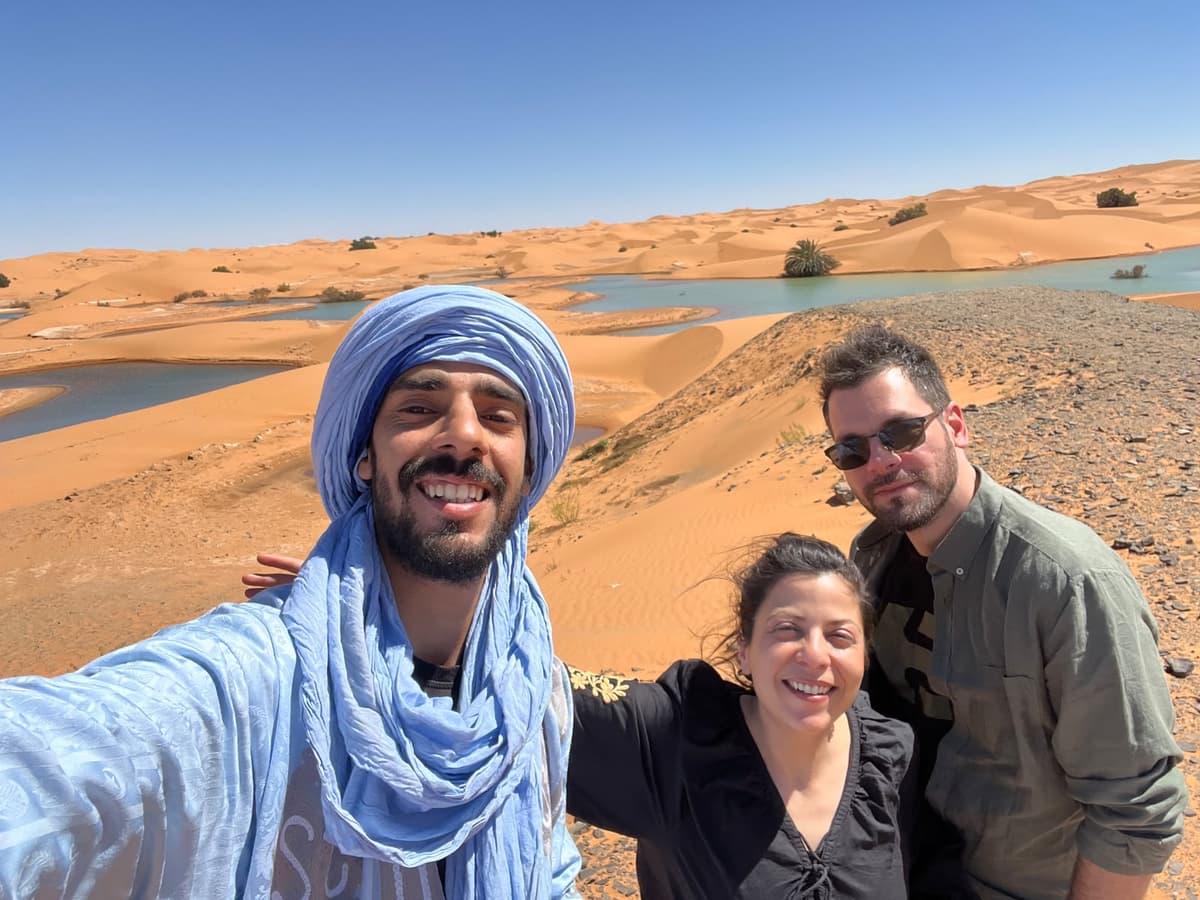 5 days / 4 nights
5 Days Tour from Marrakech to Merzouga
Travel from Marrakech to Merzouga over five days through the High Atlas, Ait Ben Haddou, Draa Valley and Erg Chebbi, with camel ride, luxury desert camp, Merzouga exploration, Todra and Dades.
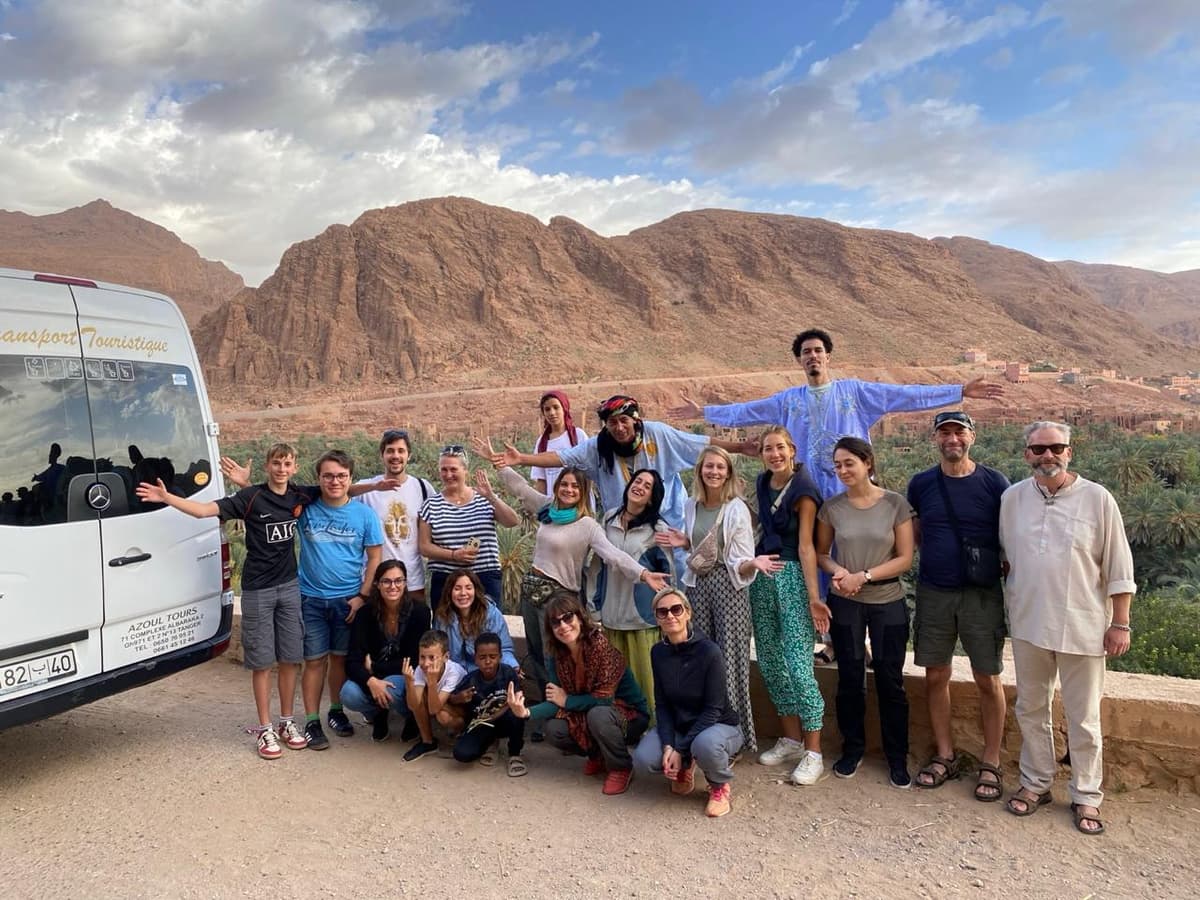 7 days / 6 nights
Morocco 7 Day Itinerary – 7 Days Desert Tour from Marrakech
Spend seven days traveling from Marrakech through the High Atlas, Dades, Todra and Merzouga before exploring remote Sahara villages, the Draa Valley and Ouarzazate.
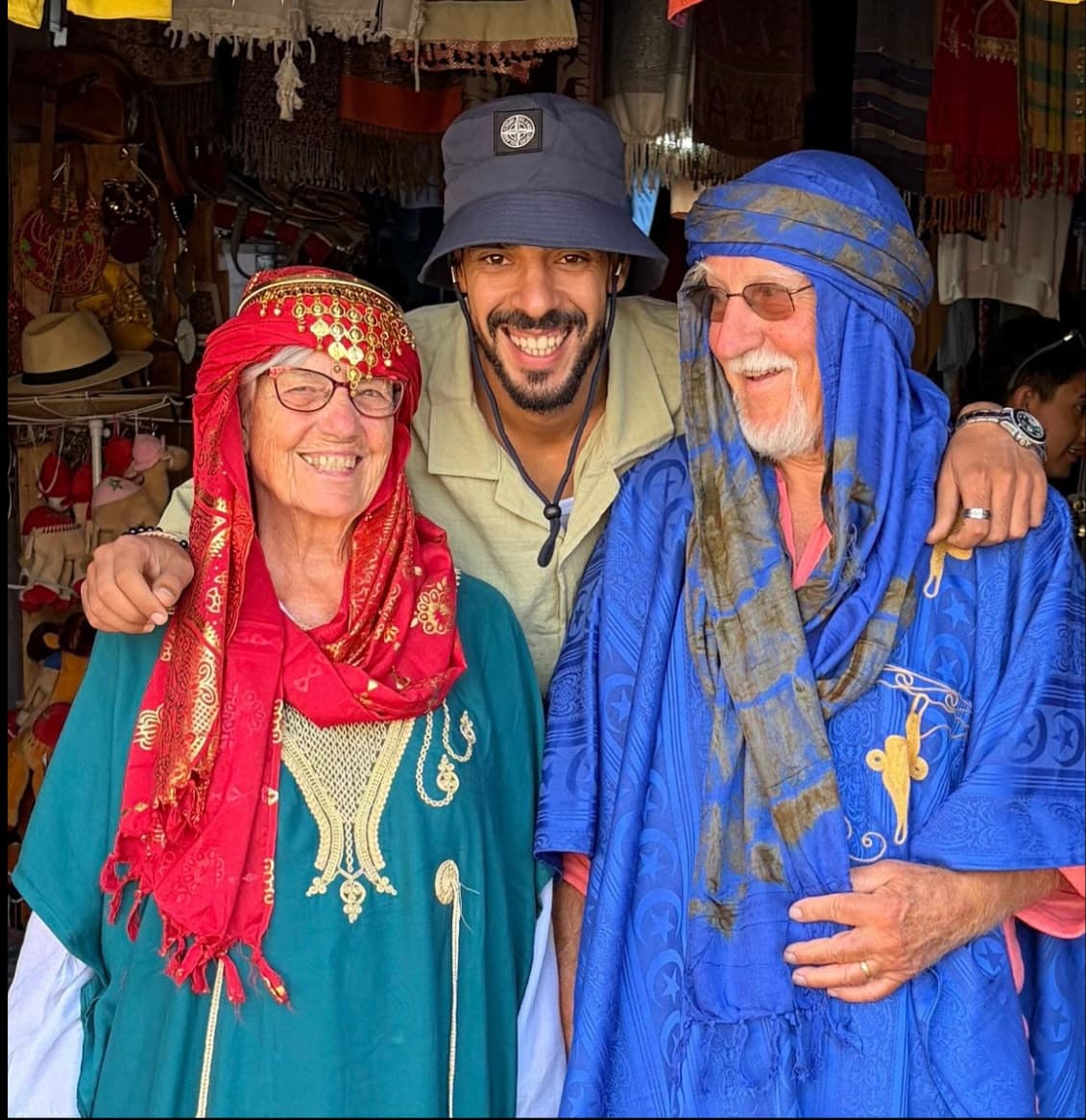 6 days / 5 nights
Morocco Atlas Mountains Desert Merzouga 6 Day Itinerary
Travel from Marrakech through the High Atlas, Ait Ben Haddou, Dades and Merzouga in six days, with camel trek, luxury desert camp, Middle Atlas and a guided Fes Medina visit.
Free travel advice
Have a question about one of our tours?
Ask us about the itinerary, accommodation, transport, desert camps, prices or possible changes. We'll help you understand your options before you book — completely free and with no obligation.