
Morocco Weather Year Round: Climate, Agadir & September Travel Guide
Plan your trip with our Morocco weather year round guide covering Agadir, the Atlantic coast, Sahara climate, seasons and Morocco weather in September.
Morocco Weather Year Round: What Travelers Should Know
Understanding morocco weather year round is one of the most important steps when planning a trip that combines imperial cities, the Atlas Mountains, the Atlantic coast and the Sahara Desert. Morocco does not have one single climate. Its geography creates major differences between coastal cities, inland destinations, mountain regions and desert areas. This means that the best time for Marrakech may not be the same as the best time for Agadir, Fes or Merzouga.
The overall morocco climate is shaped by the Atlantic Ocean, the Mediterranean Sea, the Rif and Atlas mountain systems, and the dry Saharan regions in the southeast. For a geographic overview, you can consult Wikipedia's Geography of Morocco, while Climate of Morocco provides additional background on the country's regional climate patterns.
Morocco Climate by Region
The easiest way to understand morocco weather year round is to divide the country into several travel zones. Each region has its own temperature profile, rainfall pattern and ideal travel season.
Atlantic Coast: Agadir, Essaouira, Casablanca and Rabat
The atlantic coast is generally milder than inland Morocco because the ocean helps moderate temperatures. Coastal cities often feel cooler in summer and warmer at night in winter than inland destinations. Essaouira is particularly known for wind, while Agadir is popular for sunshine, beaches and a relatively mild coastal climate.
If your itinerary includes the ocean, allow for light layers even in summer because evenings can feel cool when the wind picks up. The Atlantic coast is especially attractive for travelers who want to combine sightseeing with beaches, surfing, coastal drives and seafood.
Inland Morocco: Marrakech, Fes and Meknes
Inland cities usually experience greater temperature variation. Summers in Marrakech and Fes can become very hot during the afternoon, while winter mornings and evenings can be surprisingly cool. Spring and autumn are therefore among the most comfortable periods for walking tours, souks, gardens and historic monuments.
Travelers interested in cultural discovery can explore our Marrakech Tour Guide | Private Marrakech City Tours & Medina or join a Guided Tour Fes | Fes Medina, Souks & Al-Qarawiyyin when temperatures are more suitable for spending several hours outdoors.
Atlas Mountains Weather
The Atlas Mountains create another climate zone entirely. Higher elevations are much cooler than the plains, and winter can bring snow to high mountain areas. Even during warm seasons, nights can be significantly colder than in Marrakech. Travelers planning mountain hikes should carry layers, sun protection and a light waterproof jacket.
The mountain system stretches across North Africa and has a major influence on Morocco's geography and rainfall. You can learn more through the Atlas Mountains overview on Wikipedia.
Sahara Desert Weather: Merzouga and Zagora
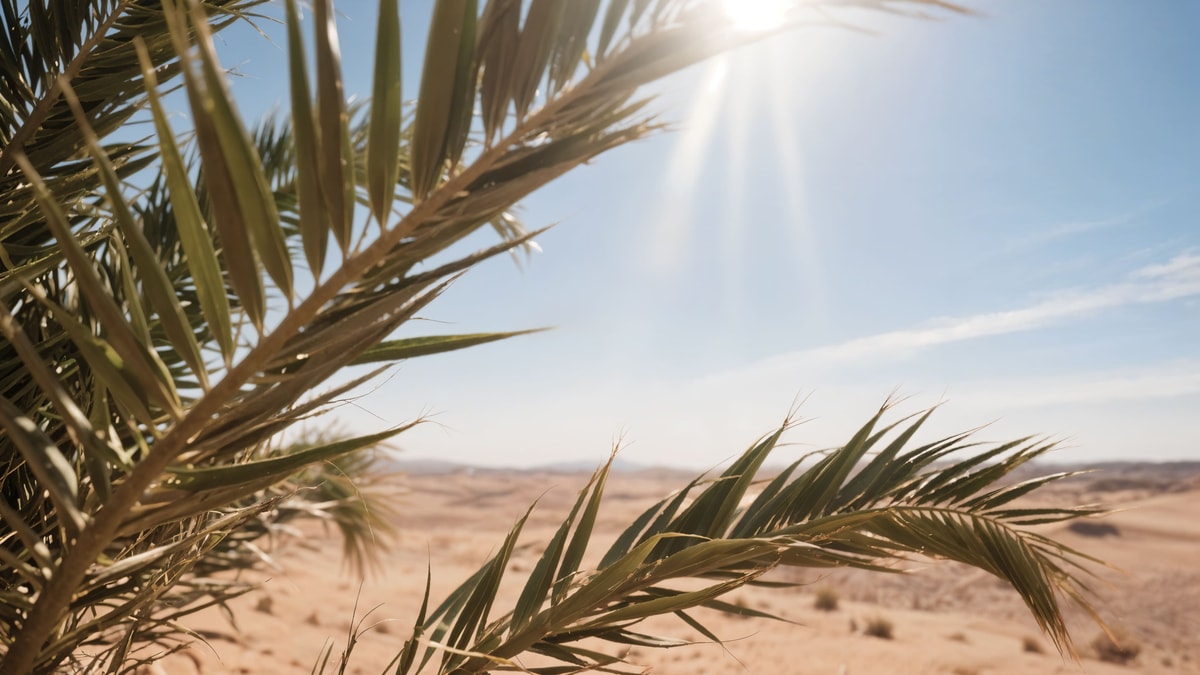
Desert areas are dry and can have a strong contrast between daytime and nighttime temperatures. Summer afternoons can be extremely hot, while winter nights may feel cold. For many travelers, spring and autumn offer the most comfortable conditions for camel trekking, sunset excursions and overnight desert camps.
If you want to build a route around the Sahara according to your preferred season and travel pace, use our Customize Your Morocco Tour — Tailor-Made Desert Adventures | Tours Marrakech Desert service.
Weather in Agadir Throughout the Year
The weather in agadir is one of the main reasons the city is popular with beach travelers. Agadir has a mild coastal climate compared with many inland Moroccan destinations, with relatively gentle winters and warm summers moderated by the Atlantic Ocean.
Winter is popular with visitors escaping colder European weather, while summer attracts travelers looking for beaches and coastal activities. Morning cloud or mist can occasionally appear near the coast before clearer conditions develop later in the day. Because the climate is moderate, Agadir can work well as a year-round base for exploring Souss-Massa, Taghazout and nearby coastal areas.
Agadir Weather in Winter
From December to February, daytime conditions are often mild enough for sightseeing and seaside walks, although evenings can become cool. Rain is more likely than in summer, so a light waterproof layer can be useful.
Agadir Weather in Spring
March through May is an excellent period for combining beaches, city sightseeing and road trips. Temperatures are generally comfortable, landscapes can appear greener after winter rain, and the strongest summer heat has not yet arrived inland.
Agadir Weather in Summer
June through August is warm and dry. Thanks to the Atlantic influence, weather in agadir is often more comfortable than the intense heat found in Marrakech or desert regions during the same period.
Agadir Weather in Autumn
September and October are particularly attractive months because the sea remains relatively warm while daytime conditions are generally comfortable. This makes the city a strong option for travelers combining the coast with inland or desert routes.
Morocco Weather by Season
Spring: March to May
Spring is one of the most versatile travel periods in Morocco. Marrakech, Fes and other inland cities are generally pleasant, mountain landscapes are attractive, and desert excursions are much easier than in the peak heat of summer. It is a strong season for multi-destination itineraries.
Summer: June to August
Summer is best approached region by region. The atlantic coast can be a good choice for travelers who prefer milder temperatures, while Marrakech, Fes and the Sahara can become very hot during the afternoon. If you travel inland, schedule walking tours in the morning and late afternoon, drink plenty of water and leave the hottest hours for shaded or indoor activities.
Autumn: September to November
Autumn is one of the best periods for travelers who want a balanced itinerary. The extreme summer heat begins to ease, the desert becomes more comfortable, and imperial cities are easier to explore on foot. This is why september weather in morocco receives so much interest from travelers planning circuits around the country.
Winter: December to February
Winter conditions vary dramatically. Agadir and other coastal areas remain relatively mild, Marrakech can have pleasant sunny afternoons with cold evenings, mountain regions may receive snow, and Sahara nights can become very cold. Packing layers is essential for winter road trips.
September Weather in Morocco: Why It Is So Popular
September weather in morocco is attractive because it sits between the intense heat of midsummer and the cooler conditions of late autumn. The first part of September can still feel hot inland, but conditions generally become easier for sightseeing as the month progresses.
For travelers planning several regions in one trip, morocco weather in september can be especially convenient. You can enjoy coastal destinations, visit historic medinas and continue toward the desert without facing the cold nights of winter.
Marrakech Weather in September
Marrakech can still be hot during the day, especially early in the month. Morning sightseeing is a smart choice for Jemaa el-Fna, the Medina, gardens and palaces. Evenings are usually more pleasant for rooftop dinners and walks.
Fes Weather in September
Fes remains warm, but exploring the old Medina becomes more comfortable than during the hottest part of summer. A guided visit is useful because the historic streets are dense and many cultural landmarks are easier to understand with local context.
Agadir and Atlantic Coast Weather in September
Along the atlantic coast, September is often ideal for beach stays and coastal exploration. Agadir remains warm, while Essaouira can feel cooler because of its stronger winds.
Sahara Desert Weather in September
In Merzouga and other desert areas, early September may still be very hot during the day. Later in the month, conditions usually become more favorable for camel rides, dunes and desert camps. Travelers should still protect themselves from sun exposure and keep water available.
What to Pack for Morocco Weather Year Round
- Light breathable clothing: useful for warm days in cities and desert regions.
- A warm layer: important for winter evenings, mountain destinations and Sahara nights.
- Comfortable walking shoes: essential for medinas, archaeological sites and mountain villages.
- Sun protection: sunglasses, sunscreen and a hat are useful in every season.
- Light rain protection: recommended in winter and spring, especially in northern and coastal areas.
- Scarf or light shawl: practical for wind, sun and temperature changes.
Best Time to Visit Morocco by Travel Style
- For city sightseeing: spring and autumn are generally the easiest seasons.
- For Sahara desert tours: spring and autumn usually provide the most comfortable balance between daytime and nighttime temperatures.
- For Atlantic beaches: late spring, summer and early autumn are popular.
- For mountain hiking: conditions depend heavily on altitude and route, but spring through autumn is generally easier for non-winter trekking.
- For a mixed Morocco itinerary: April, May, September and October are especially practical for combining cities, mountains, coast and desert.
Plan Activities Around the Morocco Climate
The weather should influence not only when you travel but also how you organize each day. During hot periods, choose early-morning walking tours and reserve the afternoon for pools, hammams, museums or scenic drives. During cooler months, use midday for outdoor sightseeing and prepare warmer clothing for evenings.
For inspiration, browse our Activities to Do in Morocco, where you can combine cultural visits, outdoor experiences and desert adventures. For a broader introduction to the country before building your itinerary, read our Morocco Travel Guide — Culture, Geography & Best Destinations | Tours Marrakech Desert.
Final Advice on Morocco Weather Year Round
There is no single perfect month for every traveler because morocco weather year round changes significantly by region. The coast is usually milder, inland cities experience greater heat variation, mountains can become cold and snowy, and the Sahara has extreme differences between day and night.
If you want the easiest conditions for a complete itinerary, spring and autumn are generally the strongest choices. In particular, morocco weather in september offers a useful transition period for travelers who want to combine Marrakech, Fes, Agadir, the Atlas Mountains and the Sahara in one trip.
FAQ
Morocco can be visited year round, but conditions vary strongly by region. Spring and autumn are usually the easiest seasons for combining imperial cities, the Atlas Mountains, the Atlantic coast and the Sahara.
The Atlantic coast is generally milder, inland cities have hotter summers and cooler winter nights, the Atlas is colder with snow possible at altitude, and the southeast is dry and desert-like.
Agadir is known for a mild coastal climate. Winters are relatively gentle and summers are warm but often more moderate than inland cities because of Atlantic influence.
Yes. September weather in Morocco is popular because the strongest summer heat begins to ease while the coast remains warm and desert travel becomes progressively more comfortable.
Spring and autumn are generally the most comfortable seasons for Merzouga and other Sahara destinations. Summer can be extremely hot, while winter nights can be cold.
Bring breathable clothes, sun protection and comfortable shoes, plus a warm layer for mountain areas, winter evenings and Sahara nights. A light rain jacket is useful in cooler months.
Tours Marrakech Desert
 5 days / 4 nights
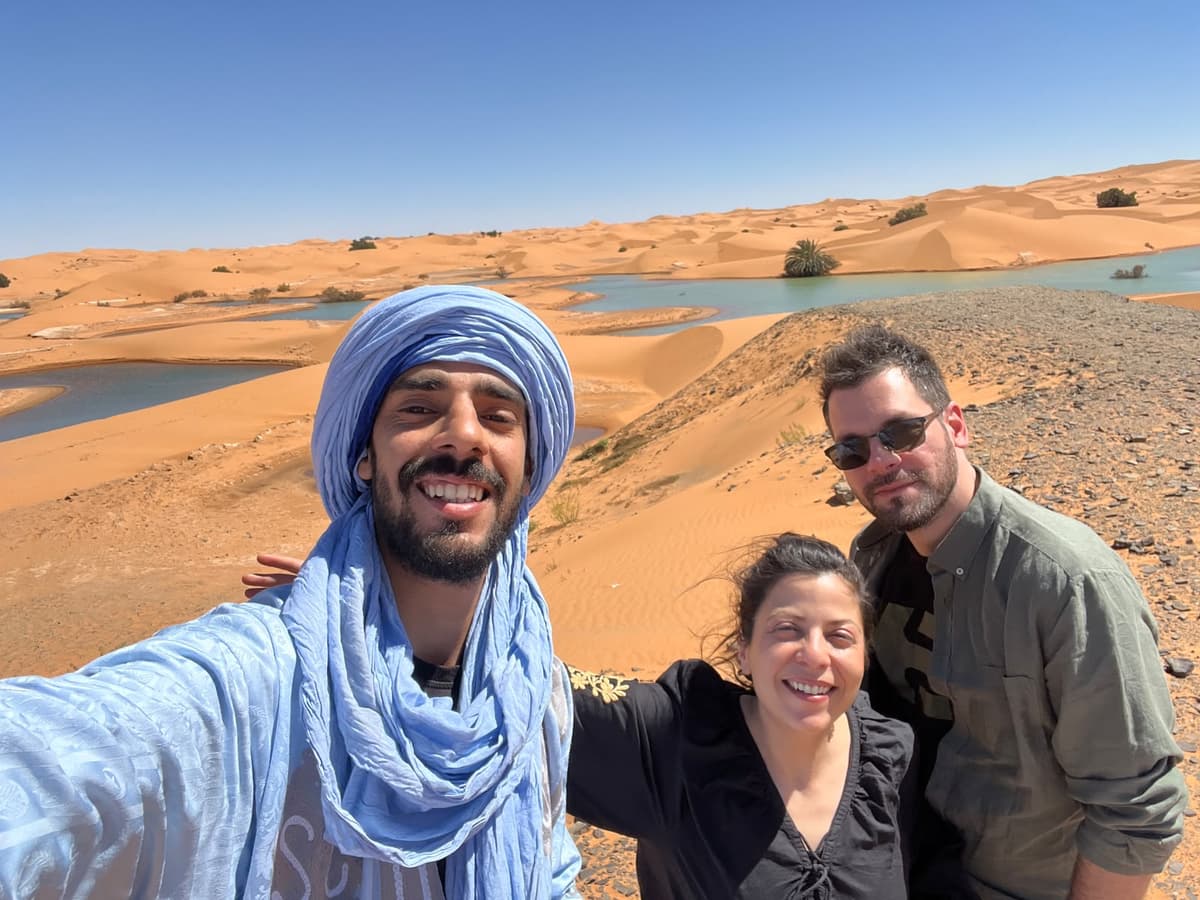
5 Days Tour from Marrakech to Merzouga
Travel from Marrakech to Merzouga over five days through the High Atlas, Ait Ben Haddou, Draa Valley and Erg Chebbi, with camel ride, luxury desert camp, Merzouga exploration, Todra and Dades.
 7 days / 6 nights
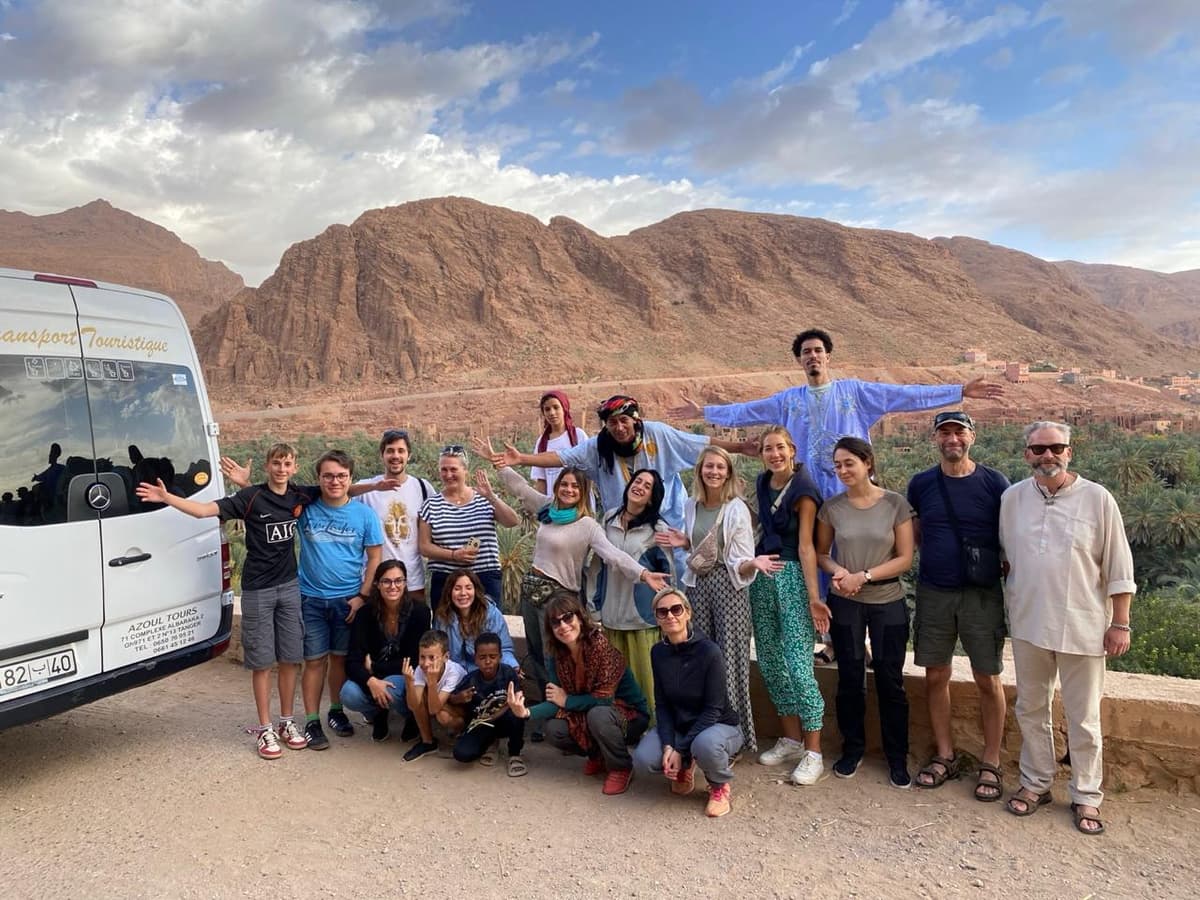
Morocco 7 Day Itinerary – 7 Days Desert Tour from Marrakech
Spend seven days traveling from Marrakech through the High Atlas, Dades, Todra and Merzouga before exploring remote Sahara villages, the Draa Valley and Ouarzazate.
 6 days / 5 nights
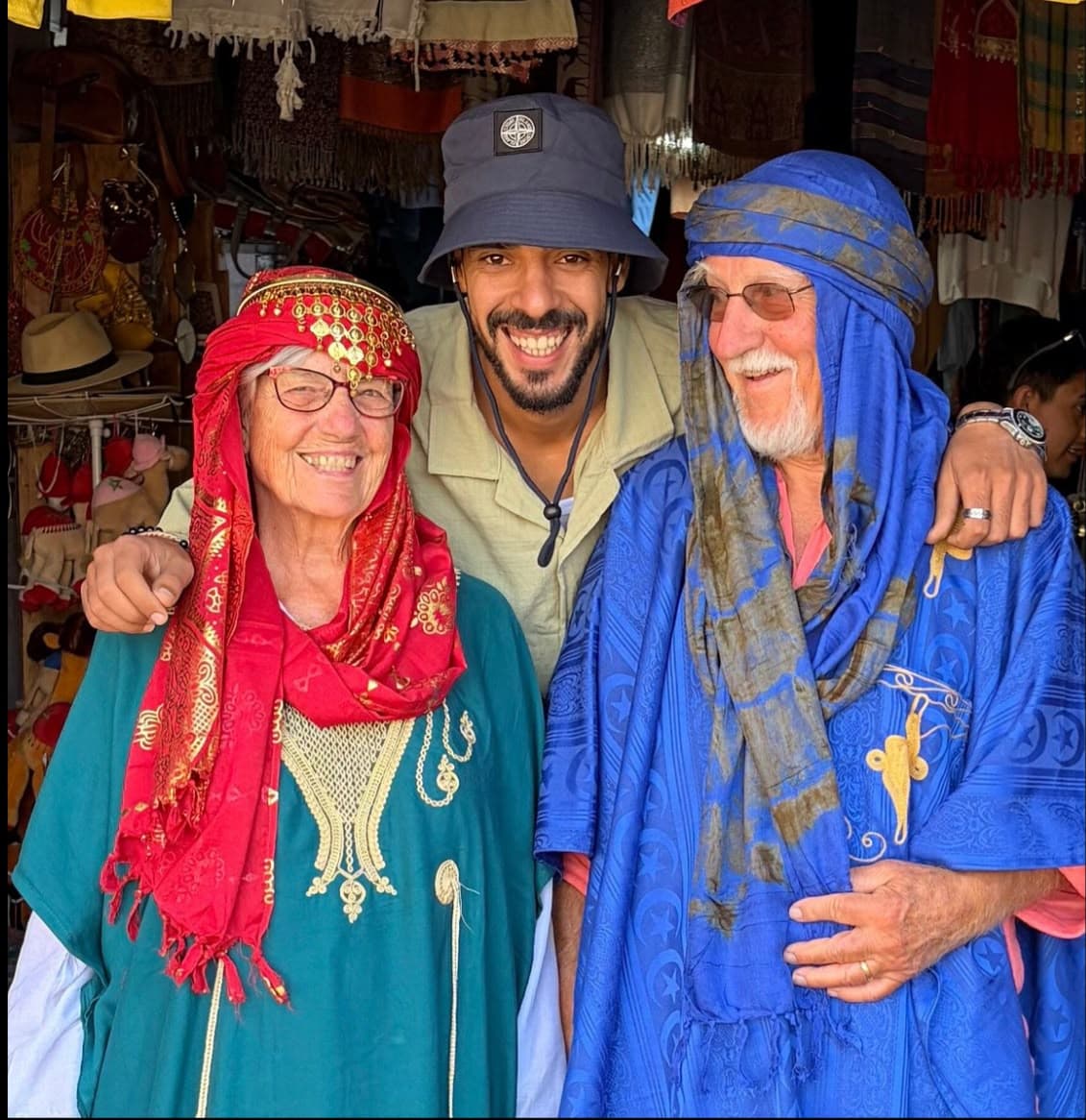
Morocco Atlas Mountains Desert Merzouga 6 Day Itinerary
Travel from Marrakech through the High Atlas, Ait Ben Haddou, Dades and Merzouga in six days, with camel trek, luxury desert camp, Middle Atlas and a guided Fes Medina visit.
Free travel advice
Have a question about one of our tours?
Ask us about the itinerary, accommodation, transport, desert camps, prices or possible changes. We'll help you understand your options before you book — completely free and with no obligation.