Morocco Traditional Clothing
Guide to Moroccan traditional clothing: kaftan, djellaba, takchita, babouches, regional dress, what tourists should wear and local clothing experiences.
Morocco Traditional Clothing: Kaftans, Djellabas, Takchita and What Travelers Should Know
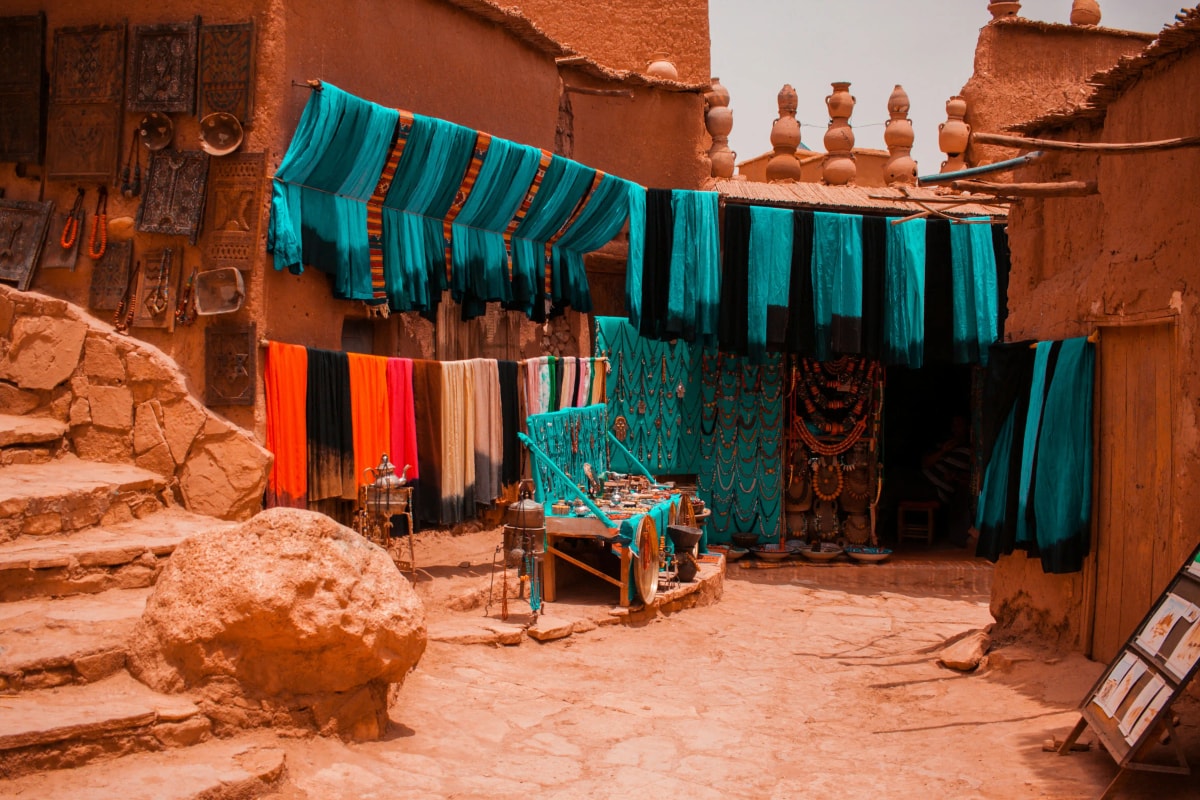
Moroccan traditional clothing is much more than colorful fabric. What you see in Marrakech souks, Fes workshops, family celebrations and rural communities reflects craftsmanship, regional identity, social occasions and generations of tailoring knowledge.
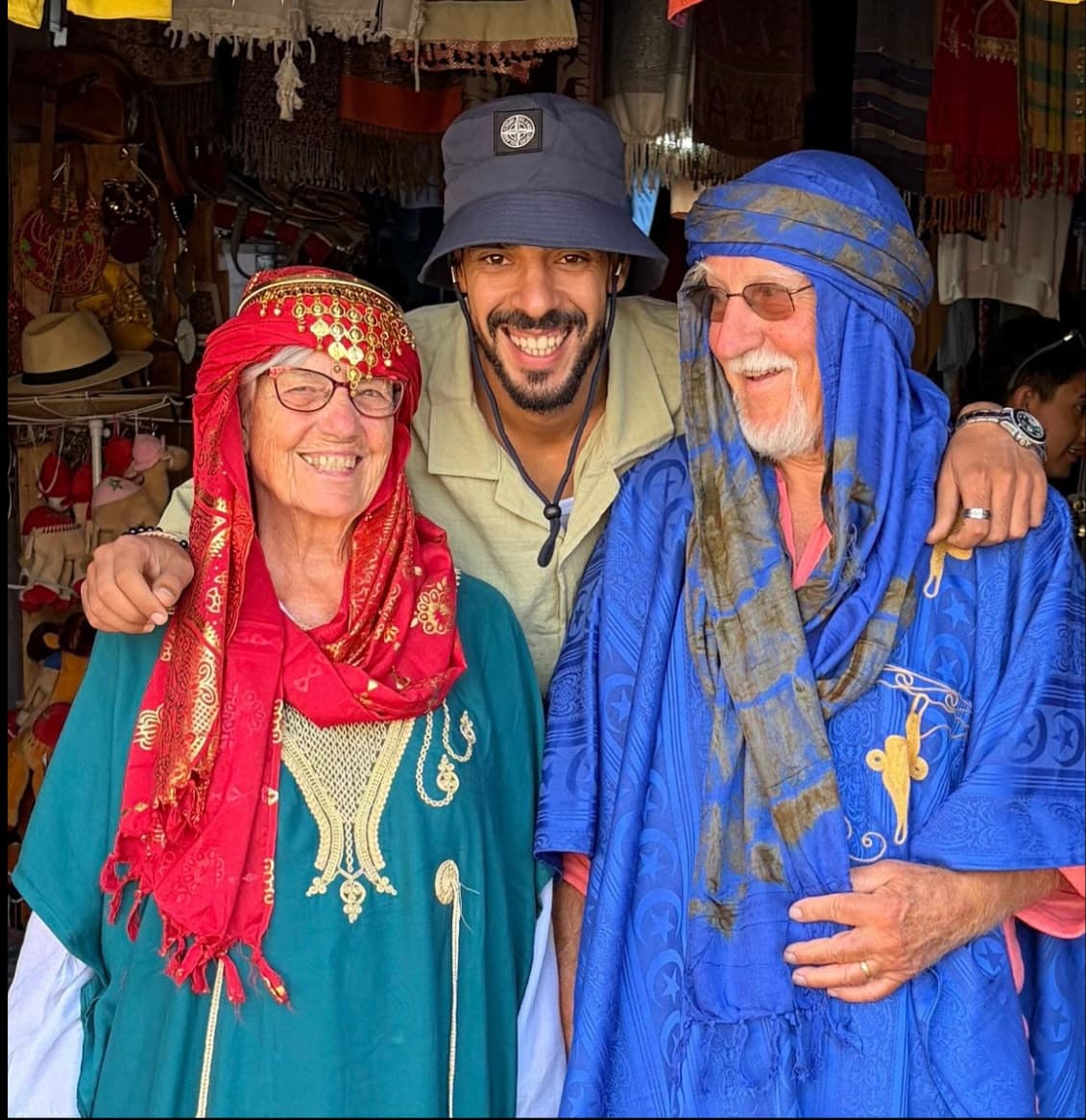
For travelers, clothing can also become a meaningful way to experience Morocco beyond sightseeing. Through our guided experiences, Tours Marrakech Desert can help you explore souks, visit artisan areas, understand how traditional garments are made and shop for a djellaba, Moroccan kaftan dress or handmade accessories. When it can be arranged with a suitable local partner, you can also ask about trying traditional clothing for a respectful cultural experience and photographs rather than simply buying a souvenir.
If this is important to your trip, mention it before booking your Marrakech local guide experience or guided tour of Fes. Exact shops, ateliers and fitting opportunities depend on the day, availability and the type of experience you want.
This guide explains the best-known pieces of Moroccan clothing, how kaftan and takchita differ, what men and women traditionally wear, regional influences, craftsmanship, what tourists can wear, where to shop and which Morocco tours make it easier to experience these traditions in context.
What Is Moroccan Traditional Clothing?
There is no single national outfit worn in exactly the same way everywhere in Morocco.
Moroccan style clothing changes according to region, season, gender, age, occasion and family tradition. Everyday clothing is different from wedding clothing, and a garment worn in the Atlas may be made differently from one associated with Fes, Marrakech or the south.
Some of the best-known garments include:
- Djellaba: a long, loose robe with a distinctive pointed hood;
- Moroccan kaftan: a long formal garment associated with skilled tailoring and decorative handwork;
- Takchita: an elaborate layered formal dress often worn at weddings and celebrations;
- Gandora: a loose, often lightweight garment;
- Selham: a traditional cloak worn over other clothing;
- Babouches: traditional Moroccan leather slippers;
- Mdamma: a decorative belt often worn with formal women's clothing.
The Moroccan Kaftan: More Than a Fashion Item
The Moroccan kaftan dress is one of the country's most recognizable garments, but it should not be reduced to a tourist fashion product.
In 2025, UNESCO inscribed “Moroccan Caftan: art, traditions and skills” on the Representative List of the Intangible Cultural Heritage of Humanity. UNESCO describes the caftan as a long tunic worn by people of different ages and genders for important occasions and celebrations, with styles, fabrics and handmade decoration varying widely.
UNESCO also highlights the network of craftspeople behind the garment: weavers, tailors and artisans producing braids, buttons and embroidery. You can read the official UNESCO page on the Moroccan caftan.
What Makes a Moroccan Kaftan Distinctive?
A well-made kaftan is not defined by one color or one embroidery pattern.
Depending on the style, it may include:
- brocade, velvet, silk or other decorative fabrics;
- hand embroidery;
- braided trim;
- traditional decorative buttons;
- beads or sequins;
- a central opening;
- a decorative belt for some styles and occasions.
The amount of handwork, fabric quality and tailoring can change the price dramatically.
Kaftan vs Takchita: What Is the Difference?
This is one of the most common questions travelers ask.
A kaftan is generally a single long formal garment. A takchita is typically more layered and ceremonial, often combining an inner dress with an outer layer and a decorative belt.
| Feature | Kaftan | Takchita |
|---|---|---|
| Structure | Usually one main garment | Usually layered |
| Occasion | Formal events, celebrations | Weddings and elaborate celebrations |
| Belt | May be worn with one | Often worn with an mdamma |
| Visual style | Elegant to highly ornate | Often more elaborate |
In practice, contemporary designers also reinterpret both forms, so shop terminology can vary.
The Moroccan Djellaba
The djellaba is one of the most recognizable pieces of everyday and occasion-based Moroccan clothing.
It is a long, loose garment with sleeves and a pointed hood often called a qob. Men and women both wear djellabas, although colors, fabrics, embroidery and cut vary.
Warmer wool versions can be used in colder months or mountain regions, while lighter fabrics suit warmer weather. A simple djellaba can be practical everyday wear; more decorative versions may be worn for visits, religious occasions or celebrations.
Why the Djellaba Works So Well in Morocco
Its loose construction is practical in changing weather. It can provide coverage from sun and wind while allowing layers underneath in cooler conditions.
This is one reason the djellaba remains relevant rather than existing only as ceremonial clothing.
Traditional Moroccan Clothing for Women
Women's traditional clothing can range from simple daily garments to highly elaborate wedding clothing.
Kaftan
The kaftan is strongly associated with formal occasions, family celebrations and elegant evening wear.
Takchita
The takchita is generally more layered and often appears at weddings and major celebrations.
Djellaba
Women also wear djellabas in a wide range of colors and fabrics, from understated everyday pieces to highly embroidered versions.
Mdamma
The mdamma is the decorative belt that can structure and complete a formal kaftan or takchita look.
Jewelry
Traditional jewelry varies considerably by region. Silver, gold, beads, enamel, colored stones and geometric designs may appear depending on the community and occasion.
Traditional Moroccan Clothing for Men
Men's traditional clothing is equally varied.
A man may wear a djellaba for everyday life, Friday prayer, family visits or religious celebrations. Other garments include the gandora, selham and traditional trousers in particular regional or formal settings.
The red fez, often called a tarbouche, remains a recognizable symbol, although it is not everyday clothing for most Moroccan men today.
Amazigh Clothing: Why Region Matters
Morocco's Amazigh communities have distinctive textile and jewelry traditions that cannot be reduced to a single “Berber costume.”
Clothing traditions differ across the Atlas Mountains, Souss, Rif and southeastern regions. You may see woven textiles, strong geometric patterns, colorful fabrics, embroidery and silver jewelry, but styles depend on the specific community.
For a traveler, the respectful approach is to ask where a garment comes from rather than assuming every colorful rural outfit represents all Amazigh people.
Moroccan Clothing by Region
Regional variation is one of the most interesting parts of the subject.
Marrakech
Marrakech offers a mixture of traditional and contemporary clothing. In the medina you can find djellabas, kaftans, scarves, babouches and modern fashion influenced by Moroccan tailoring.
With a local Marrakech guide, you can focus part of your visit on artisan quarters, clothing shops and workshops instead of wandering randomly through tourist stalls.
Fes
Fes is especially interesting for travelers who want to connect clothing with craftsmanship. The medina preserves dense networks of small workshops, textile sellers, embroiderers and leather crafts.
A guided Fes medina experience can help you distinguish workshop areas from purely souvenir-focused shops and better understand what you are looking at.
Atlas and Southern Morocco
In mountain and southern regions, clothing often reflects climate, local weaving and community traditions. You may also encounter scarves, wool garments and regionally distinctive jewelry.
Moroccan Traditional Shoes: Babouches
Babouches are traditional leather slippers made in many colors and shapes.
Some are soft indoor-style slippers, while others have firmer soles. Men's and women's designs vary, and quality depends heavily on leather, stitching and finishing.
Fes and Marrakech are both well known for leather craftsmanship, making babouches an easy item to examine alongside bags, belts and other leather goods.
Moroccan Clothing and Craftsmanship
Traditional clothing brings together several crafts rather than one single skill.
- weaving;
- tailoring;
- embroidery;
- braid making;
- button making;
- beadwork;
- metalwork for belts and jewelry;
- leatherwork for babouches and accessories.
This is also why two garments that look similar from a distance can have very different quality and value.
How to Recognize Better Quality When Shopping
You do not need to be a textile expert, but you can look at a few details:
- Is the stitching clean and consistent?
- Does the embroidery look hand-finished or mass-produced?
- Are the decorative buttons securely attached?
- Does the fabric feel appropriate for the price?
- Are the seams finished neatly inside?
- If it is sold as handmade, can the seller explain who made it and where?
Ask questions. A good artisan or seller should be able to explain materials, construction and alterations.
Can Tourists Wear Moroccan Traditional Clothing?
Yes. Wearing Moroccan clothing is generally welcomed when it is done respectfully and naturally.
Buying a djellaba for practical use or trying a kaftan in an atelier is very different from mocking or turning a meaningful ceremonial outfit into a joke.
If you want photos:
- ask before taking photos in a shop or workshop;
- do not photograph artisans without permission;
- follow the owner's guidance when trying delicate clothing;
- avoid presenting a regional or ceremonial outfit as a generic costume;
- if someone helps dress you, listen to how the garment is actually worn.
A Local Clothing Experience with Tours Marrakech Desert
If you want more than shopping, tell us when you plan your activity.
Through our local guide experiences in Marrakech or Fes, we can help build a visit around traditional clothing and craftsmanship. Depending on availability and what you request, this can include:
- walking through clothing and textile sections of the souk;
- meeting local shopkeepers or artisans;
- learning the difference between djellaba, kaftan and takchita;
- shopping for a garment with local guidance;
- asking about tailoring or adjustments;
- when arranged and available, trying a local garment for a respectful photo experience.
These are not automatic inclusions in every city tour. If this is your priority, use Customize Your Tour or contact us before arrival so the experience can be planned correctly.
What Clothes to Wear in Morocco as a Tourist
The question what clothes to wear in Morocco has a simpler answer than many travelers expect: dress comfortably, adapt to the weather and be slightly more modest in conservative settings.
You do not need to wear Moroccan traditional clothing to be respectful.
In Marrakech and Fes
- light trousers, skirts or dresses;
- T-shirts and breathable shirts;
- comfortable walking shoes;
- a light scarf can be useful;
- avoid overly revealing clothing in religious or conservative areas.
In the Sahara
- loose long trousers;
- breathable layers;
- sun hat or scarf;
- sunglasses;
- closed shoes;
- warm layer for the evening.
At Religious Sites
Dress more conservatively, with shoulders and knees covered where appropriate, and follow any site-specific rules.
Moroccan Wedding Clothing
Weddings are where some of the most elaborate forms of Moroccan clothing are seen.
A bride may wear more than one outfit during the celebration, including different kaftans or takchitas, jewelry and decorative belts. The exact customs vary by family, city and regional background.
A neggafa may help coordinate the bride's clothing, jewelry and presentation during a traditional wedding.
Can You Buy a Moroccan Kaftan as a Souvenir?
Yes, but a genuine, well-made kaftan is more than an ordinary souvenir.
If you want a serious garment, allow time for measurements and possible alterations. Ready-made versions are easier for short visits, while tailored pieces may require multiple fittings.
If your budget is lower, a quality scarf, babouches or simple djellaba can still connect you with Moroccan textile and leather craftsmanship.
Should You Bargain for Moroccan Clothing?
In traditional souks, negotiation may be part of the buying process, especially where prices are not fixed.
In established boutiques, designer stores and some artisan cooperatives, prices may be fixed.
Bargain politely rather than treating the interaction as a battle. If the craftsmanship is clearly handmade, remember that you are also paying for time and skill.
Best Tours for Travelers Interested in Moroccan Clothing and Local Culture
If clothing, crafts and local encounters are important to you, choose a route that gives you time in both cities and smaller regions rather than spending the entire trip only in transfers.
3-Day Marrakech to Fes via Merzouga
Our 3 Day Tour from Marrakech to Fes via Merzouga connects two major craft cities while also crossing the High Atlas, Dades, Todra and Erg Chebbi.
It works especially well if you want a guided Marrakech cultural experience before departure and a guided Fes medina experience after arrival.
4-Day Marrakech to Fes via Merzouga
The 4 Day Marrakech to Fes Desert Tour gives more time around Merzouga and suits travelers who prefer a slower cultural journey between Marrakech and Fes.
3-Day Marrakech to Merzouga
If you are returning to Marrakech, our 3 Day Marrakech to Merzouga Desert Tour lets you combine city shopping and artisan experiences with a Sahara journey without changing your final base.
How to Build a Clothing and Craft Experience into Your Morocco Trip
A simple plan can look like this:
| Day / Place | Experience |
|---|---|
| Marrakech | Guided medina walk, textile souks, kaftan/djellaba shopping |
| High Atlas / South | See regional clothing, scarves and local weaving traditions in context |
| Merzouga | Desert clothing adapted to sun, wind and cooler nights |
| Fes | Artisan workshops, leathercraft, embroidery and traditional clothing shops |
Final Advice: Buy Less, Understand More
The most rewarding way to approach Moroccan traditional clothing is not to collect as many garments as possible.
Ask who made the piece, what it is called, where the style comes from, when people normally wear it and how it should be cared for.
A Moroccan kaftan, djellaba or pair of babouches becomes far more meaningful when you understand the craftsmanship and social context behind it.
Conclusion: Moroccan Clothing Is a Living Tradition
Moroccan clothing is not frozen in the past. Djellabas are still worn, contemporary designers reinterpret the kaftan, craftspeople continue embroidery and tailoring traditions, and wedding clothing remains an important part of family celebrations.
The Moroccan caftan's UNESCO inscription in 2025 reinforces something Moroccans have long known: this is a living body of art, knowledge and craftsmanship, not simply decorative fashion.
If you want to experience it rather than only read about it, combine a Marrakech local guide or Fes guided tour with one of our desert routes, or use Customize Your Tour to build clothing, artisan and local experiences into your Morocco itinerary.
FAQ
Traditional Moroccan clothing includes garments such as the djellaba, Moroccan kaftan, takchita, gandora, selham and leather babouches. Styles vary by region, occasion, gender, fabric and family tradition, so there is no single outfit that represents all of Morocco.
A Moroccan kaftan is generally a single long formal garment with decorative tailoring, embroidery and handmade details. A takchita is usually a more elaborate layered formal outfit, often finished with a decorative belt called an mdamma and commonly worn at weddings and celebrations.
Yes, when done respectfully. Visitors can buy or sometimes try traditional garments in shops, ateliers or locally arranged cultural experiences. Avoid treating religious or ceremonial clothing as a costume, ask before photographing people, and follow the guidance of local artisans or hosts.
There is no single tourist dress code, but lightweight, comfortable and relatively modest clothing works well. Covering shoulders and knees is useful in religious, rural or more conservative settings. For desert and mountain travel, add sun protection and a warm evening layer.
Marrakech and Fes both have souks, boutiques and artisan workshops where you can find ready-made or tailored garments. Quality, handmade work, fabric and embroidery vary widely, so compare materials and workmanship rather than buying only by appearance.
Yes, a guided Marrakech or Fes experience can be adapted to include souks, artisan areas and clothing shopping. When a suitable local partner is available and arranged in advance, you can also ask about trying traditional garments for a respectful photo or cultural experience. Exact inclusions should be confirmed before booking.
Tours Marrakech Desert
 5 days / 4 nights
5 Days Tour from Marrakech to Merzouga
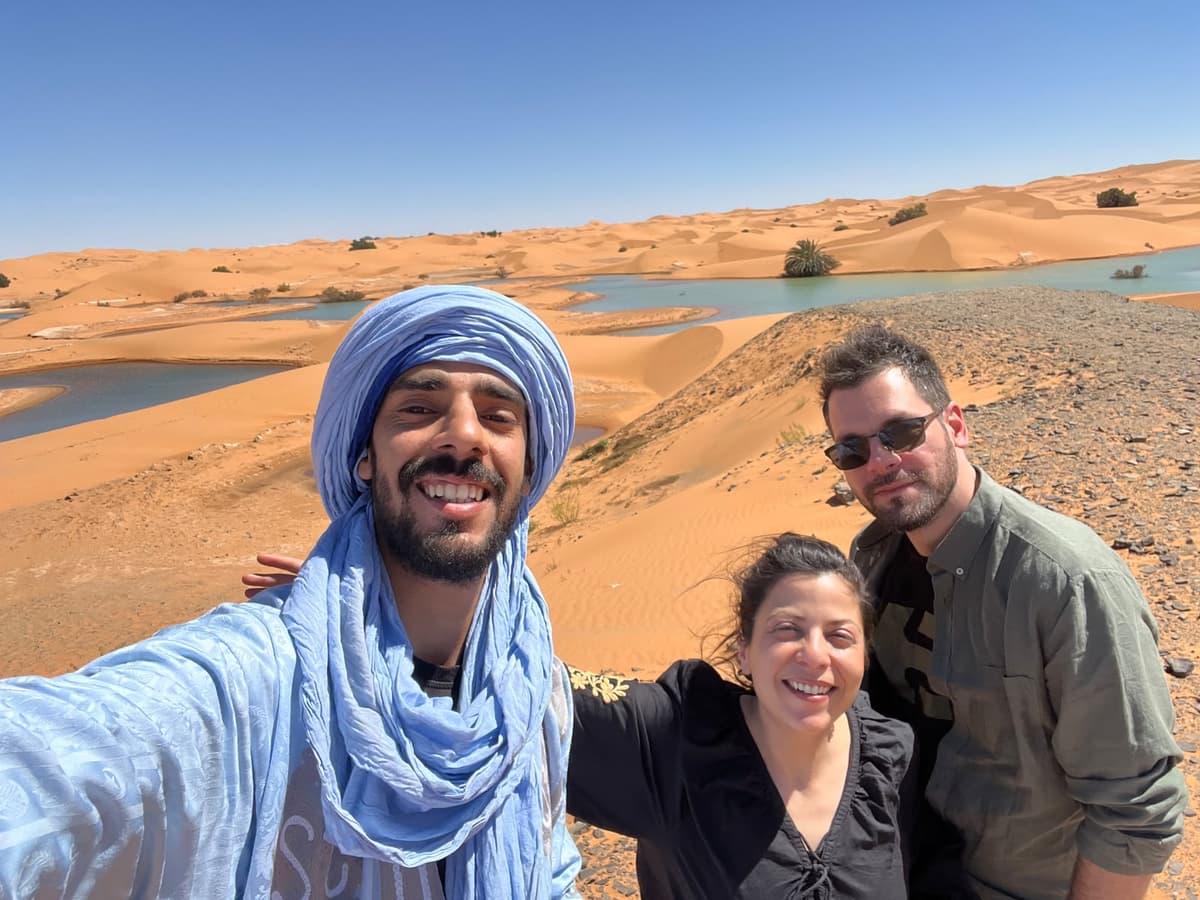
Travel from Marrakech to Merzouga over five days through the High Atlas, Ait Ben Haddou, Draa Valley and Erg Chebbi, with camel ride, luxury desert camp, Merzouga exploration, Todra and Dades.
 7 days / 6 nights
Morocco 7 Day Itinerary – 7 Days Desert Tour from Marrakech
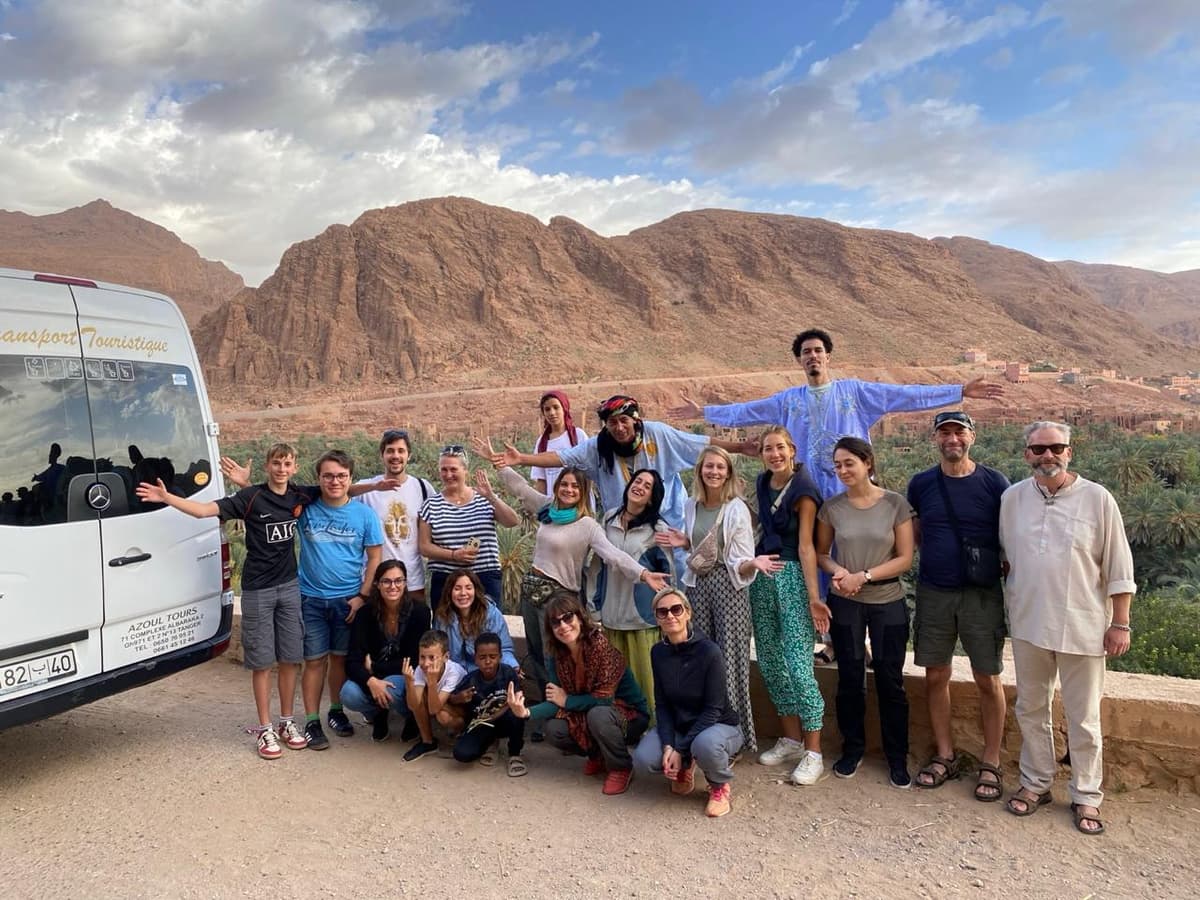
Spend seven days traveling from Marrakech through the High Atlas, Dades, Todra and Merzouga before exploring remote Sahara villages, the Draa Valley and Ouarzazate.
 6 days / 5 nights
Morocco Atlas Mountains Desert Merzouga 6 Day Itinerary
Travel from Marrakech through the High Atlas, Ait Ben Haddou, Dades and Merzouga in six days, with camel trek, luxury desert camp, Middle Atlas and a guided Fes Medina visit.
Free travel advice
Have a question about one of our tours?
Ask us about the itinerary, accommodation, transport, desert camps, prices or possible changes. We'll help you understand your options before you book — completely free and with no obligation.