
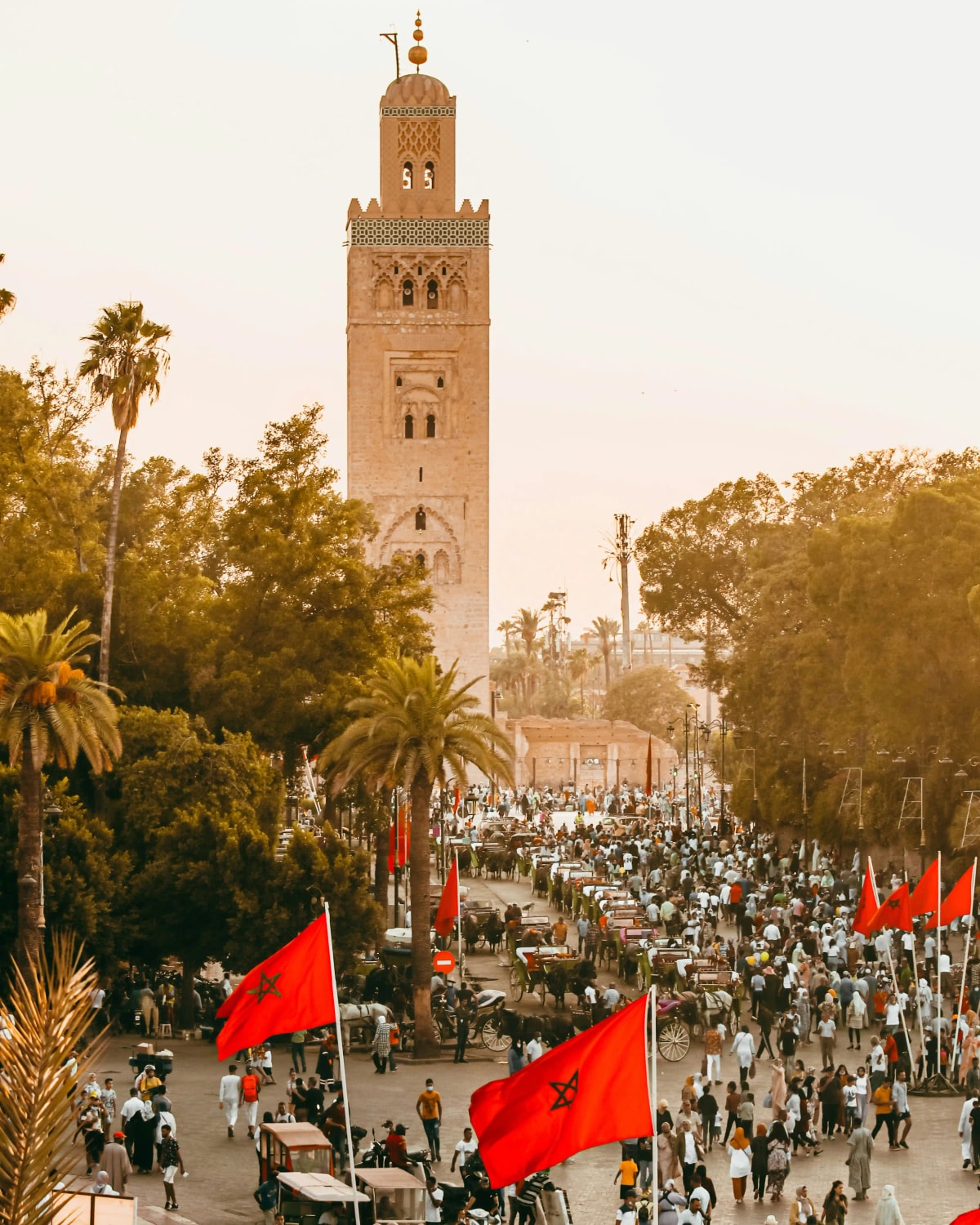
Best Time to Visit Morocco
Find the best time to visit Morocco by month and region, with seasonal weather advice for Marrakech, Fes, the Atlantic coast, Atlas and Sahara.
For most travelers, the best time to visit Morocco is spring or autumn, especially from March to May and from late September through November. Those periods usually make it easier to combine inland cities, the Atlas Mountains and the Sahara without the strongest summer heat or the coldest winter nights. There is no single perfect month, however: the Atlantic coast, Marrakech, Fes, the mountains and Merzouga all have different climate patterns.
The best month therefore depends on the route. April and October are particularly versatile for mixed itineraries, while summer suits many coastal stays better than inland sightseeing. Winter can work well for cities and desert travel if you pack for cold mornings and nights. Tours Marrakech Desert can help travelers plan private routes around season, distance and the destinations they most want to see.
When Should You Travel to Morocco?
Spring and autumn are the easiest all-round seasons for a first trip. Morocco's National Tourist Office specifically recommends spring and autumn for the Sahara, while the coast remains attractive across a much wider part of the year. Inland cities are more exposed to heat in summer and temperature swings in winter.
If your itinerary is mostly Marrakech, Fes, Chefchaouen and cultural sightseeing, March to May and October to November are strong choices. If the Sahara is central to the trip, spring and autumn are usually more comfortable than midsummer. If you mainly want Agadir or another Atlantic destination, summer can still be appealing because maritime influence moderates conditions compared with inland Morocco.
Morocco Weather by Month: January to December
| Month | Typical weather | Best suited for | Important considerations |
|---|---|---|---|
| January | Cool winter conditions; colder nights inland and in the Sahara; snow possible at altitude | Cities, winter sun, desert trips with warm clothing | Shorter days and mountain conditions |
| February | Cool to mild, with winter conditions easing gradually | Cultural travel, desert routes, quieter trips | Evenings can still be cold |
| March | Early spring, generally milder inland | Mixed itineraries, cities, desert | Rain can still occur in northern and inland regions |
| April | Comfortable spring conditions in many regions | First visits, cities, Atlas foothills, Sahara | Pack layers for evenings and regional variation |
| May | Warm late spring with rising inland heat | Road trips, cities, coast, desert earlier in month | Afternoons become hotter inland |
| June | Early summer; hot inland, milder Atlantic influence | Coastal trips, early-morning sightseeing | Desert and inland heat becomes more demanding |
| July | Very hot in Marrakech, Fes and Merzouga; milder on parts of Atlantic coast | Coastal holidays, heat-tolerant travelers | Avoid long midday outdoor activity inland |
| August | Peak summer heat inland and desert | Atlantic coast, beach-focused trips | Heat management is essential away from coast |
| September | Late-summer transition; still hot inland early in month | Coast, city breaks later in month, improving desert travel | Sahara can remain hot |
| October | Warm days and cooler nights in many regions | Mixed itineraries, Sahara, cities | Rain becomes more possible in north and some inland areas |
| November | Cooler autumn with more variable rain, especially north and west | Cities, desert trips, lower-heat travel | Evenings and desert nights become cooler |
| December | Winter; mild coastal periods, cool inland nights, mountain snow possible | Winter city trips, desert with layers | Short daylight and cold nights |
January
January is winter, and regional contrast matters. Casablanca's historical averages are around 18°C (64°F) by day and 9°C (48°F) at night, while Fes is cooler at roughly 16°C (61°F) by day and 4°C (39°F) overnight. High Atlas routes can be affected by snow or ice at elevation, while desert nights may feel very cold after sunny afternoons.
Choose January if you prefer lower daytime heat and are comfortable packing warm layers. It can work well for cultural sightseeing and the Sahara, but mountain plans need flexibility.
February
February remains cool but often begins to feel less wintry during the day. Fes still has chilly nights, while Atlantic cities tend to be more moderate. The Sahara can be pleasant for daytime touring, but camp evenings and early mornings require warm clothing.
This is useful for travelers who dislike heat and prefer a quieter atmosphere, provided they are ready for variable weather.
March
March marks the beginning of spring. Inland cities become more comfortable for walking, and desert travel is generally easier than in summer. Rain remains possible, particularly in northern Morocco and around Fes, so a light waterproof layer is useful.
For a multi-region trip, March is one of the first months when city, desert and lower-elevation mountain plans combine more easily.
April
Morocco's weather in April is one reason the month is popular for broad itineraries. Historical averages for Marrakech are about 26°C (78°F) for daytime highs and 12°C (54°F) for lows. Fes averages about 22°C (72°F) by day and 9°C (48°F) at night. Casablanca is milder, around 21°C (69°F) by day and 13°C (56°F) overnight.
Merzouga is considerably warmer: a long-term climate dataset gives typical April daytime temperatures around 30°C (86°F) and nights around 16°C (61°F). That can work well for Sahara activities while avoiding midsummer extremes.
April is therefore one of the best choices for travelers combining Marrakech, Fes, the Atlantic coast and the desert. It is not a guarantee of dry weather everywhere, so keep a light layer and some rain protection.
May
May is warm and often excellent for road trips. Marrakech historical highs rise to around 29°C (85°F), while Fes reaches roughly 27°C (80°F). The Sahara becomes hotter, so morning and late-afternoon activity planning starts to matter more.
Choose May if you enjoy warm weather and want long days, but consider earlier dates if your itinerary spends substantial time in Merzouga or southern valleys.
June
June introduces stronger summer conditions inland. Marrakech historical highs are around 33°C (92°F), while Fes averages roughly 31°C (88°F). Merzouga can approach much higher temperatures, making long outdoor desert activities demanding.
The Atlantic coast becomes an increasingly attractive alternative and can balance an itinerary otherwise dominated by inland heat.
July
Morocco weather in July varies dramatically by region. Marrakech historical averages reach about 38°C (100°F) for daytime highs, and Fes around 36°C (96°F). Merzouga climate data shows typical July daytime temperatures around 43°C (109°F). These are climate averages, not forecasts.
Casablanca is much milder by comparison, with historical July highs around 26°C (78°F). This illustrates why Morocco cannot be described with one nationwide temperature.
If you travel inland in July, shift walking and sightseeing to early morning and evening, use air-conditioned transport and accommodation where possible, and avoid demanding midday desert activities.
August
August remains extremely hot in many inland and desert areas. It can still be a good month for people focusing on the Atlantic coast, where ocean influence moderates temperatures, although humidity and wind affect comfort.
A mixed city-and-desert itinerary is possible, but it requires realistic expectations. Travelers sensitive to heat usually have better alternatives in spring or autumn.
September
September is a transition month. Early September can still feel like summer in Marrakech and Merzouga, while later in the month conditions often become more comfortable. Fes historical daytime highs are around 31°C (87°F), showing that inland heat can still be significant.
It is a good month for combining coast and cities, and it becomes progressively more attractive for desert travel as the strongest summer heat eases.
October
Morocco's weather in October is often well suited to multi-region trips. Marrakech historical averages are about 29°C (84°F) by day and 16°C (60°F) overnight, while Fes averages about 27°C (80°F) and 13°C (55°F). Merzouga's typical daytime temperature is around 30°C (86°F).
This balance makes October especially useful for travelers who want Marrakech, Fes and the Sahara on one route. Rain becomes more possible in some northern and western regions, so pleasant temperatures do not guarantee sunshine every day.
November
If you are asking what the weather in Morocco is like in November, expect cooler days, noticeably cooler evenings and a greater chance of rain in several northern and Atlantic areas. Marrakech historical averages are around 23°C (74°F) by day and 11°C (51°F) at night. Fes averages around 21°C (69°F) and 8°C (47°F).
Merzouga is generally much drier, with typical daytime temperatures around 24°C (75°F). November can therefore be excellent for the Sahara if you are prepared for cooler nights.
December
December brings winter travel conditions. Marrakech can still have pleasant daytime sunshine, but evenings become cool. Fes and northern cities feel colder and can receive more rain. Higher Atlas locations may have snow, with road and hiking conditions changing rapidly.
Choose December for lower daytime heat and winter atmosphere, but pack layers and avoid assuming mountain routes will always be straightforward.
Spring in Morocco: March to May
Spring is one of the strongest seasons for a first visit because it balances cities, countryside and desert travel. March can still be changeable, April offers broadly comfortable conditions, and May becomes warmer but remains workable for many itineraries.
For Sahara travel, the National Tourist Office recommends spring as one of the preferred seasons. This is useful for combining a 3-day Marrakech to Merzouga desert tour with time in Marrakech.
Summer in Morocco: June to August
Summer is not equally difficult everywhere. Marrakech, Fes, Ouarzazate and Merzouga can become intensely hot, while Atlantic destinations usually experience a more moderated maritime climate. Casablanca's July averages, for example, are far lower than Marrakech's.
Summer travelers should design days around the heat: outdoor sightseeing early, long lunch or rest periods, and evening exploration. If the Sahara is essential, confirm the route, camp arrangements and activity schedule carefully.
Autumn in Morocco: September to November
Autumn is another excellent season for mixed itineraries. September starts warm, October often provides one of the best balances between cities and desert, and November brings cooler conditions that many travelers find comfortable.
For a longer journey, a one-week Morocco itinerary from Casablanca becomes easier to manage when inland temperatures are lower than in peak summer.
Winter in Morocco: December to February
Winter is underrated for travelers who dislike heat. City sightseeing can be pleasant in the middle of the day, and the desert can be attractive under clear winter light. The trade-off is cold nights, shorter daylight and more complex mountain conditions.
Pack layers rather than assuming Morocco is hot year-round. In higher Atlas areas, snow and ice can affect roads and hiking plans.
How Morocco's Weather Changes by Region
Marrakech
Marrakech has a strongly inland climate: hot summers, milder winter days and cool winter nights. April and October are especially practical for walking-heavy sightseeing, while July and August require heat-aware planning.
Fes and Meknes
Fes and Meknes also experience strong inland seasonality. Summers are hot, winters can feel cool and wetter than Marrakech, and spring or autumn are usually easier for long days in the medina.
Casablanca and Rabat
The Atlantic moderates temperatures in Casablanca and Rabat. Casablanca's historical July high of about 26°C (78°F), compared with Marrakech near 38°C (100°F), shows how large the coastal-inland contrast can be.
Essaouira and Agadir
Both are Atlantic destinations, but they should not be treated as identical. Essaouira is particularly associated with wind, while Agadir is generally warmer and is promoted by Morocco's tourism office for its mild coastal climate and abundant sunshine.
Chefchaouen and Northern Morocco
Northern Morocco tends to receive more winter and spring rainfall than the far south, and Chefchaouen's elevation can make it feel cooler than lowland coastal cities. Spring greenery is attractive, but showers remain possible.
Atlas Mountains
Elevation changes everything in the Atlas. Temperatures fall with altitude, snow is possible in winter and early spring, and high routes can face ice or temporary accessibility issues. Hiking conditions should be checked for the specific valley, pass and elevation.
Merzouga and Erg Chebbi
Merzouga has large day-to-night and seasonal contrasts. Spring and autumn are generally the most comfortable periods, summer can be extremely hot and winter nights can be cold. Wind can also affect visibility and dune activities.
Ouarzazate and Southern Valleys
Ouarzazate and the southern valleys are dry inland regions with stronger heat than Atlantic Casablanca. Summer afternoons can be intense, while winter mornings and evenings can be cool.
Best Months for a Sahara Desert Tour
For most travelers, spring and autumn are the best times for Morocco desert tours. The Moroccan National Tourist Office specifically identifies these seasons for the Sahara. March, April, October and November can all work particularly well, though exact conditions vary.
Winter desert tours are possible and can be beautiful, but camp nights and sunrise departures may be cold. Summer requires much more caution because of extreme daytime heat. Camel rides and other outdoor activities may be shifted toward cooler hours depending on conditions and operator arrangements.
From Marrakech, compare the 4-day Marrakech desert tour. From Fes, the 3-day Fes to Merzouga tour reaches Erg Chebbi by a different route.
Whatever the month, packing matters. Our Morocco desert packing guide explains how to prepare for sun, wind and cool desert nights.
Best Time for Different Types of Travelers
- First-time visitors: April, May, October and early November are versatile for mixed routes.
- Couples: spring and autumn balance outdoor sightseeing with comfortable evenings.
- Families: shoulder seasons are easier when children are sensitive to extreme heat.
- Sahara travelers: spring and autumn are generally strongest; winter works with warm layers.
- Atlas hikers: late spring through autumn often provides easier non-winter conditions, but altitude remains decisive.
- Coastal vacations: late spring through early autumn can work well, depending on wind and ocean preferences.
- Cultural sightseeing: spring, autumn and mild winter periods reduce heat stress during long walking days.
- Fewer crowds: parts of winter and shoulder-season weeks can feel quieter, excluding major holidays.
- Budget-conscious travelers: compare shoulder-season accommodation rather than assuming one month is always cheapest.
- Photography: spring landscapes, autumn light, winter desert clarity and mountain snow create different opportunities.
Practical Tips for Planning Your Morocco Trip
- Build your route first, then choose the month.
- Use city-specific climate averages rather than one nationwide temperature.
- Check a short-term forecast only close to departure; historical averages are not forecasts.
- Pack layers for desert and mountain temperature changes.
- In summer, move outdoor sightseeing to morning and evening.
- Keep flexibility for mountain roads during winter conditions.
- Check religious holidays and local events for opening-hour changes without assuming universal closures.
For official destination context, consult the Moroccan National Tourist Office climate and seasons guide. Historical city averages can also be compared using long-term climate pages for Fes and Casablanca.
Plan Your Morocco Journey with Tours Marrakech Desert
If you are choosing travel dates around the Sahara, mountains or a multi-city route, use Customize Your Tour to share your preferred month, duration, departure city and priorities.
Final Recommendations
There is no universally perfect month, but April, May, October and early November are among the most flexible periods for travelers who want cities, mountains and desert in one journey. July and August are much better suited to heat-tolerant travelers or coast-focused trips than to intensive inland sightseeing.
If the Sahara is central to your plans, prioritize spring or autumn and prepare for cool nights outside summer. For help matching dates to a practical itinerary, Have Questions? Ask Us!
FAQ
There is no single best month, but April, May, October and early November are especially versatile for itineraries combining cities, mountains and the Sahara.
Spring and autumn are generally the easiest seasons for multi-region travel. The Moroccan National Tourist Office also recommends spring and autumn for Sahara trips.
Yes. April usually offers comfortable conditions across many regions. Historical averages are about 26°C in Marrakech, 22°C in Fes and 21°C in Casablanca for daytime highs, while Merzouga is warmer at around 30°C.
July is very hot inland and in the Sahara. Historical daytime highs are about 38°C in Marrakech and 36°C in Fes, while Merzouga is around 43°C. Casablanca is much milder at about 26°C.
Yes. October is one of the most useful months for combining cities and the Sahara, with warm days and cooler nights in many regions.
November is cooler, with more chance of rain in northern and Atlantic regions. Marrakech and Fes have mild daytime conditions, while Merzouga is generally dry and comfortable during the day but cooler at night.
Spring and autumn are generally the most comfortable seasons. Winter is possible with warm layers, while midsummer can be extremely hot.
It depends on the location. July or August are typically the hottest months in many inland areas, but Morocco does not have one meaningful nationwide hottest-month temperature.
Yes. Winter can be excellent for cities and desert travel if you pack for cold nights. High Atlas routes may face snow or ice.
Spring and autumn are generally easiest for both cities. April, May, October and early November avoid much of the peak summer heat while still offering good sightseeing conditions.
Tours Marrakech Desert
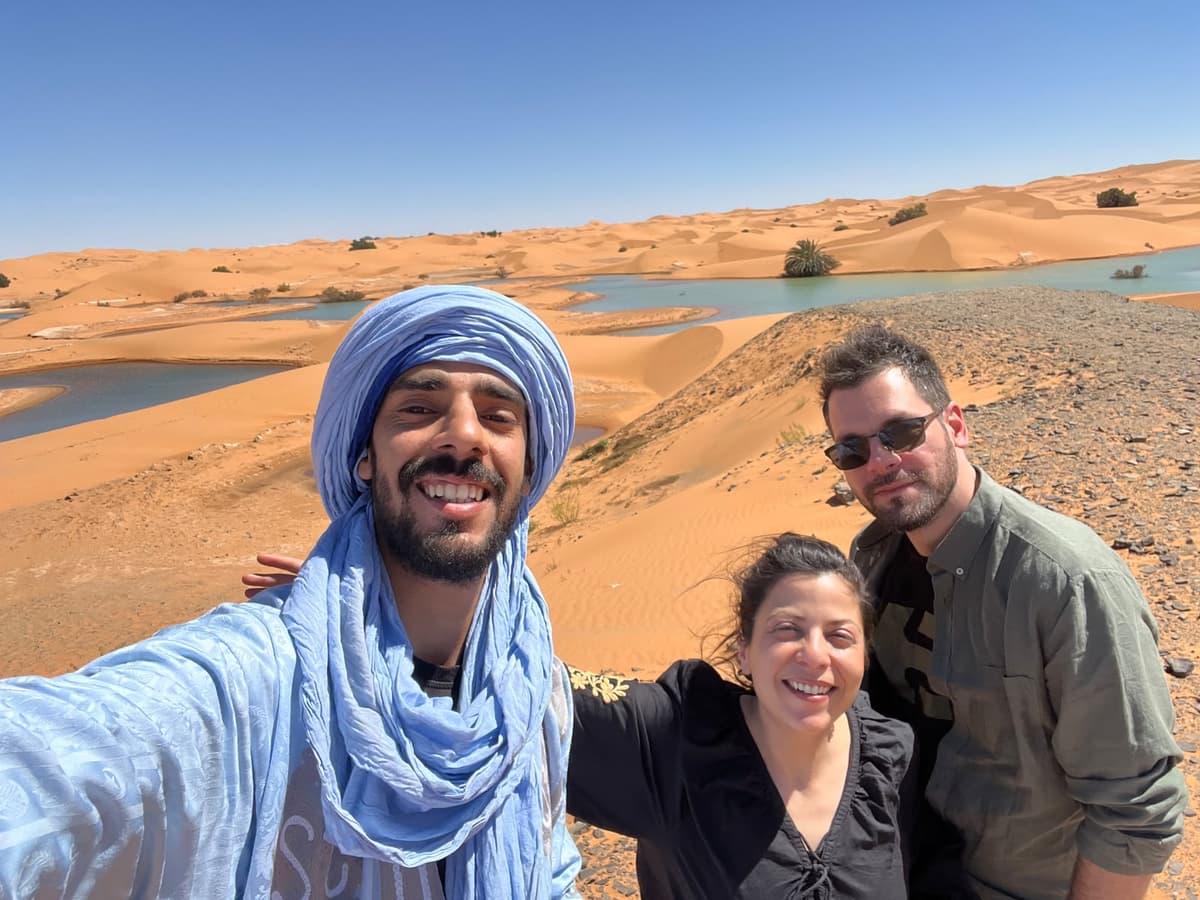 5 days / 4 nights
5 Days Tour from Marrakech to Merzouga
Travel from Marrakech to Merzouga over five days through the High Atlas, Ait Ben Haddou, Draa Valley and Erg Chebbi, with camel ride, luxury desert camp, Merzouga exploration, Todra and Dades.
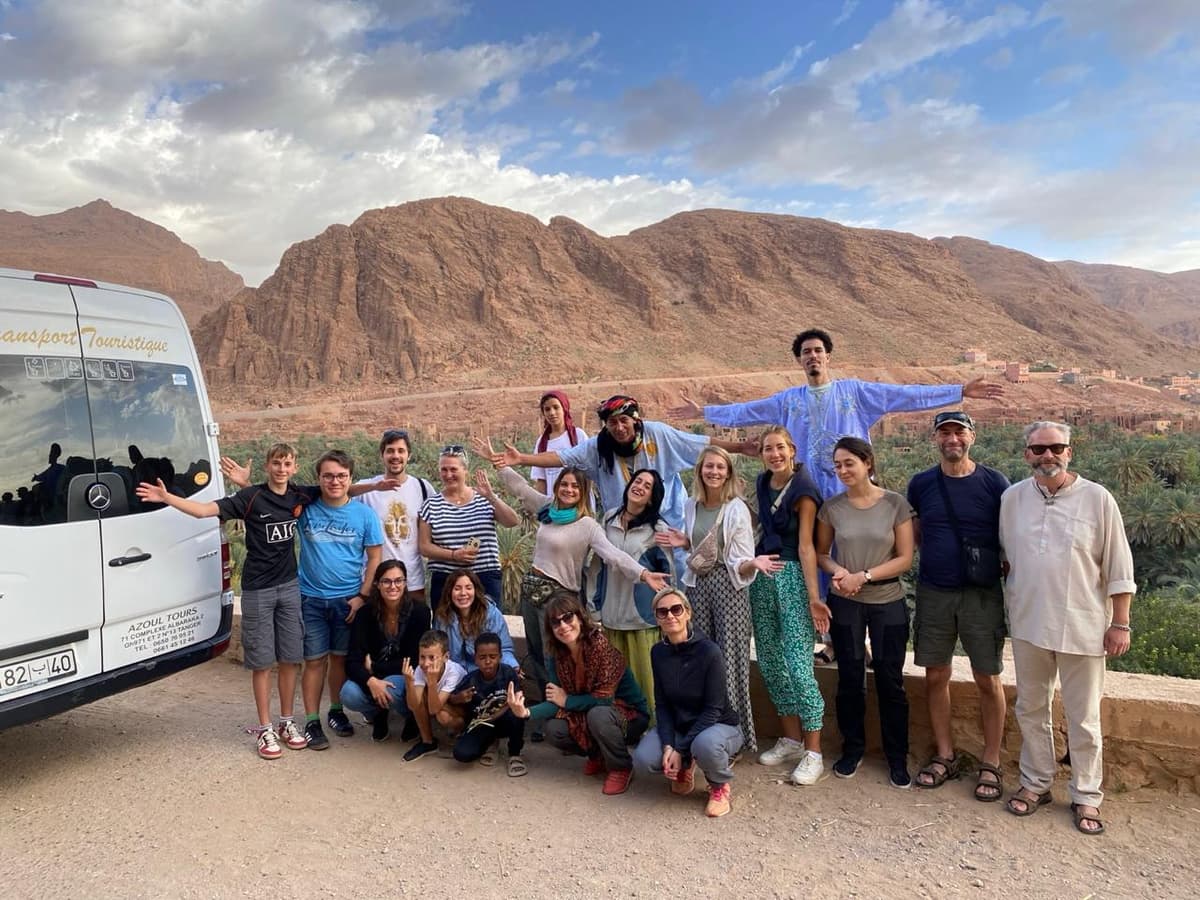 7 days / 6 nights
Morocco 7 Day Itinerary – 7 Days Desert Tour from Marrakech
Spend seven days traveling from Marrakech through the High Atlas, Dades, Todra and Merzouga before exploring remote Sahara villages, the Draa Valley and Ouarzazate.
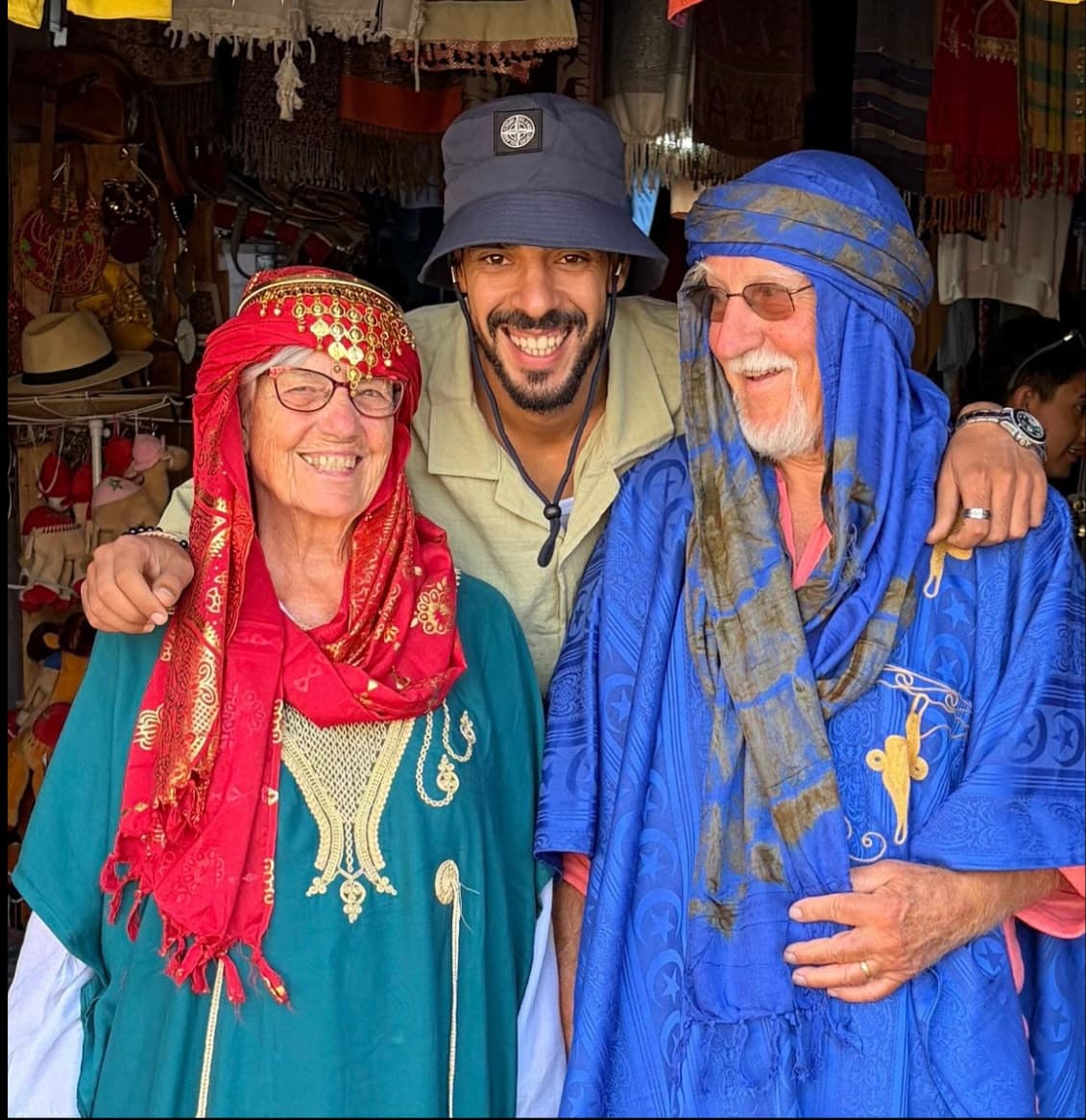 6 days / 5 nights
Morocco Atlas Mountains Desert Merzouga 6 Day Itinerary
Travel from Marrakech through the High Atlas, Ait Ben Haddou, Dades and Merzouga in six days, with camel trek, luxury desert camp, Middle Atlas and a guided Fes Medina visit.
Free travel advice
Have a question about one of our tours?
Ask us about the itinerary, accommodation, transport, desert camps, prices or possible changes. We'll help you understand your options before you book — completely free and with no obligation.